

Chengdu-Dujiangyan
4-Day Chengdu & Dujiangyan Tour: Pandas, Sichuan Spice & a 2,200-Year-Old Water Wonder
Designed for American Travelers · 5-Star & Boutique Hotels · Signature Meals Included · Private Transportation & High-Speed Rail · Dedicated English-Speaking Guide
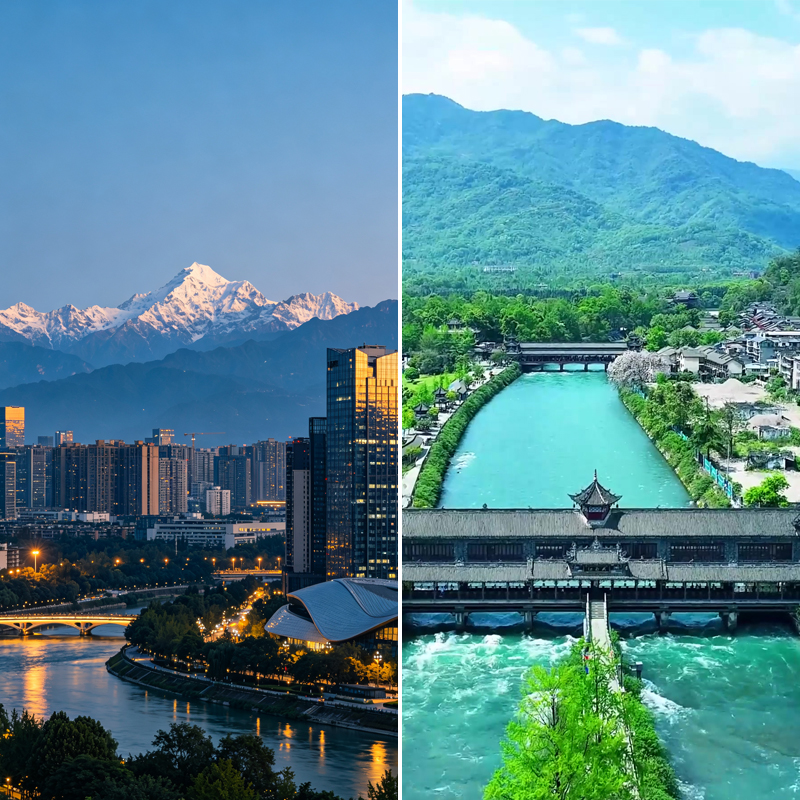
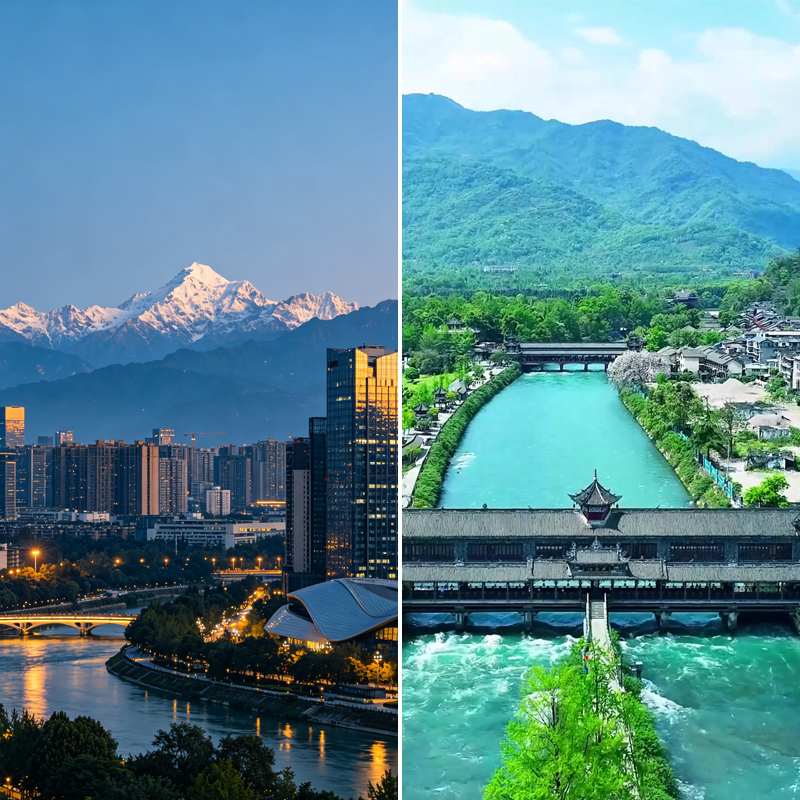
Just an hour from laid-back Chengdu lies one of the most astonishing engineering feats in history — and it is still working. Around 256 BC, local governor Li Bing split the raging Min River with no dam at all, turning a flood-prone valley into the "Land of Abundance" and creating a water system that has fed Sichuan for more than 2,200 years. Walk its ancient dikes, ride a swaying bamboo cable bridge, climb the forested Taoist peaks of Mount Qingcheng, then return to Chengdu for giant pandas at dawn, teahouse afternoons and fiery hot pot. Privately guided, all-inclusive, no shopping stops.
Tour Highlights
- A Genuine UNESCO World Heritage Site The Dujiangyan Irrigation System and Mount Qingcheng were inscribed together in 2000 — a living, still-functioning water project paired with one of the birthplaces of Taoism.
- Ancient Genius You Can Actually Understand See the three ingenious works — the Fish Mouth divider, the Flying Sand spillway and the Bottle-Neck inlet — that automatically split the river, flush out silt and control water without a single dam.
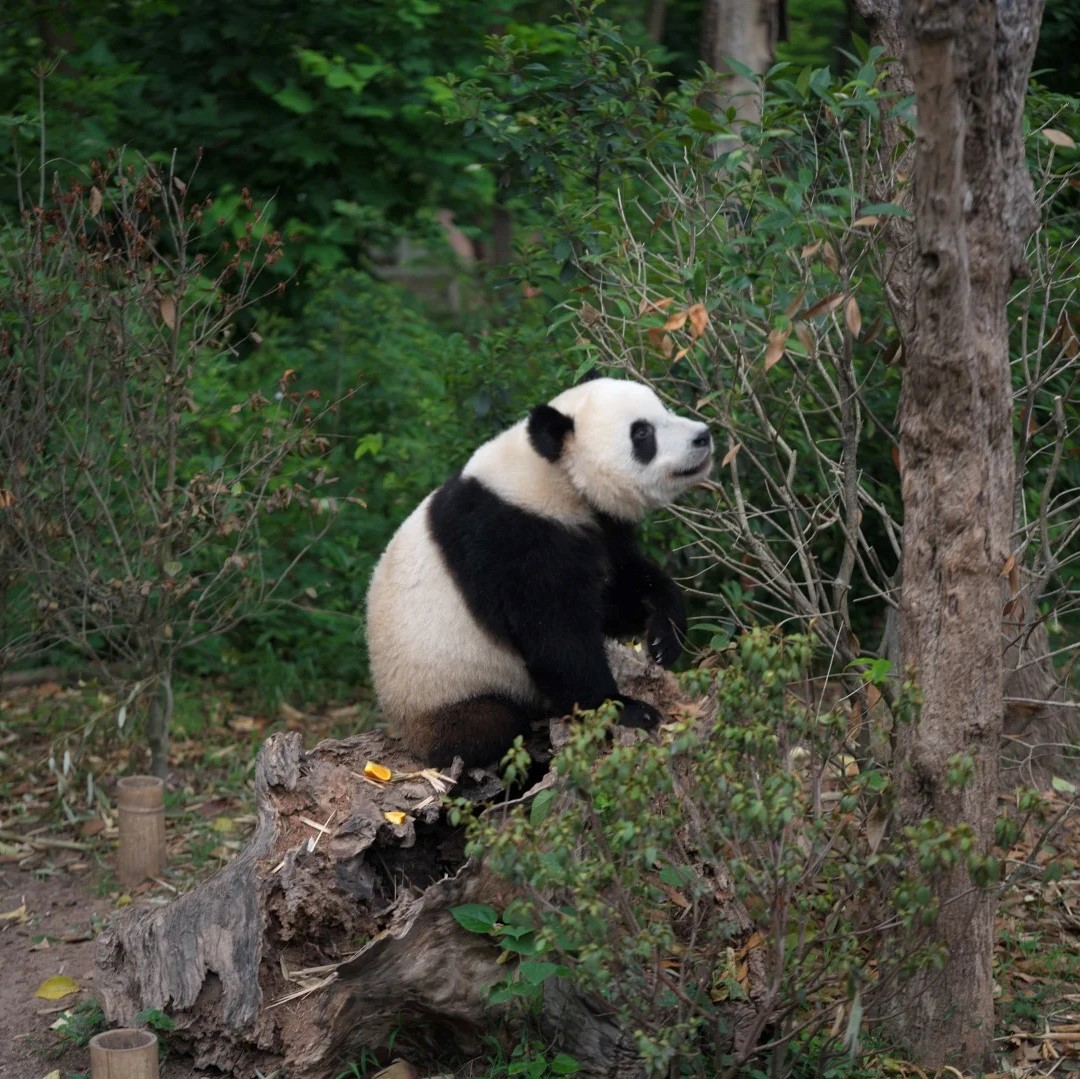
- Giant Pandas, Morning and Mountains Watch pandas at the Chengdu Research Base at the early, active hour, or meet them in the quieter, forested Panda Valley near Dujiangyan.
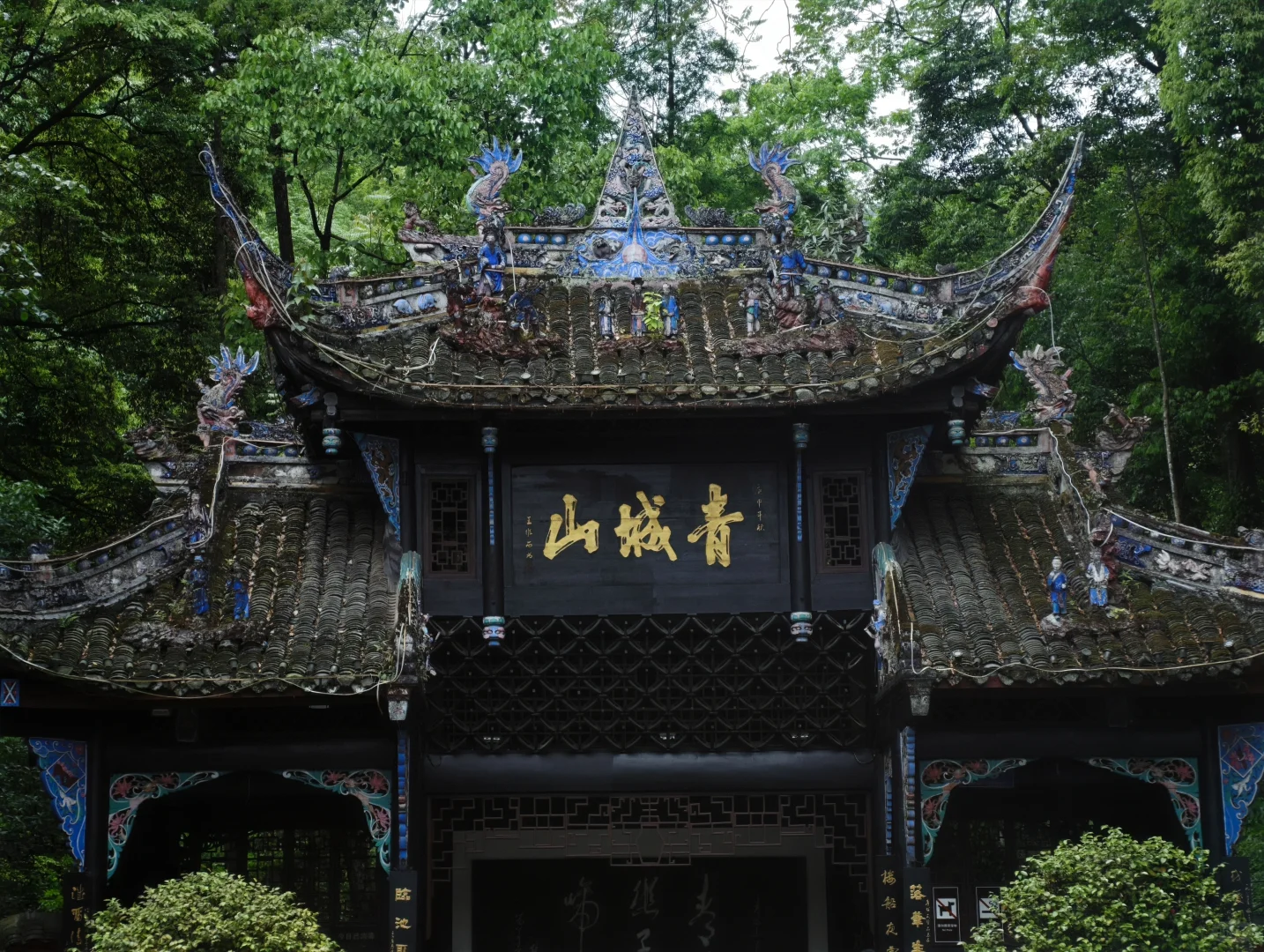
- The "Most Secluded Place Under Heaven" Ride a cable car through the misty green slopes of Mount Qingcheng, past Taoist temples and quiet Yuecheng Lake.
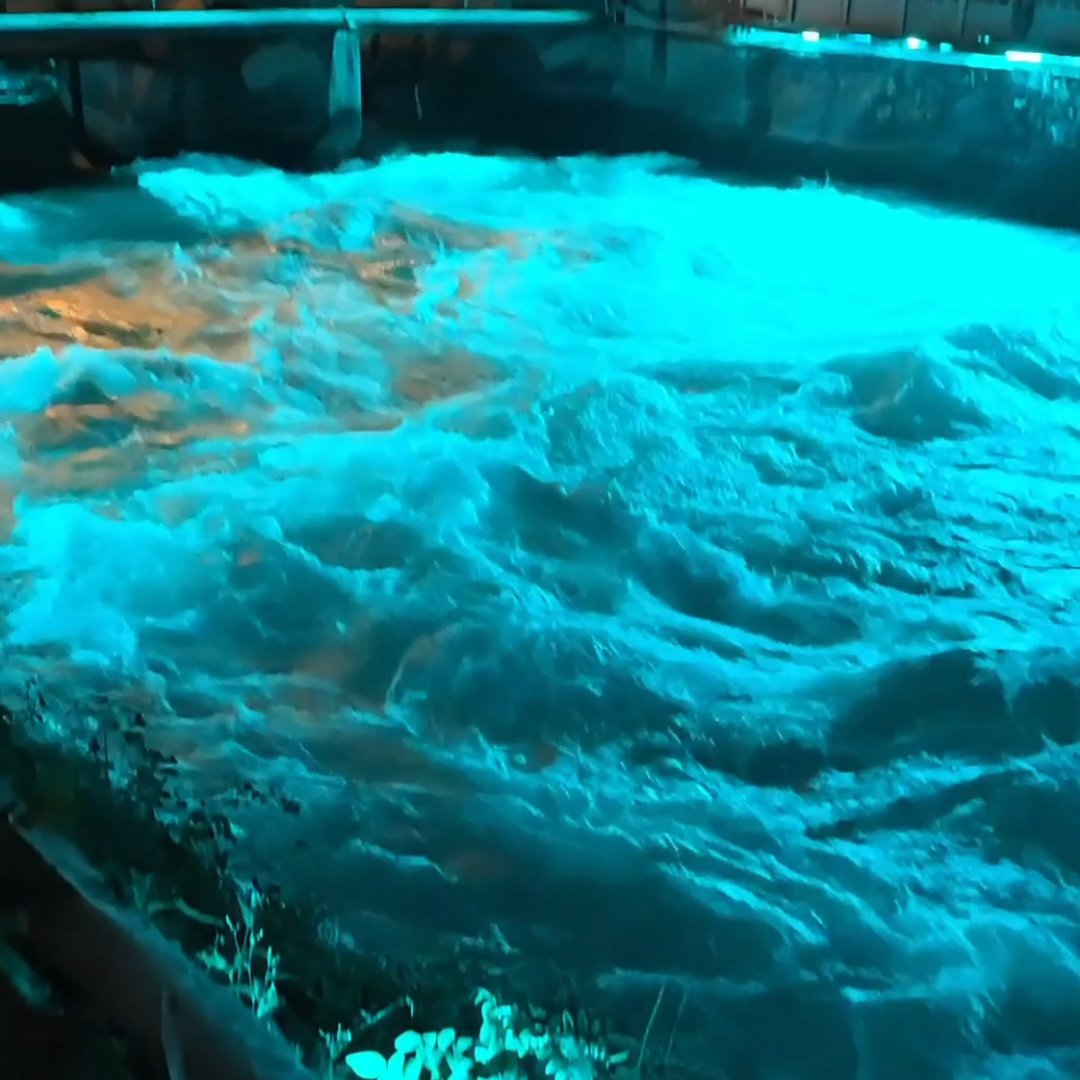
- A Magical Night by the River Stay in old Guanxian town and photograph the famous "Blue Tears," when the South Bridge and Min River glow in shifting emerald light after dark.
- All the Sichuan Essentials Hot pot, mapo tofu, dan dan noodles, bamboo-chair teahouses and a classic Chengdu old-town stroll, with heat always adjustable.
Day-by-Day Itinerary
Day 1 | Arrival in Chengdu — Lanterns & Hot Pot
- Meals: Dinner
- Overnight: Chengdu, 5-star hotel
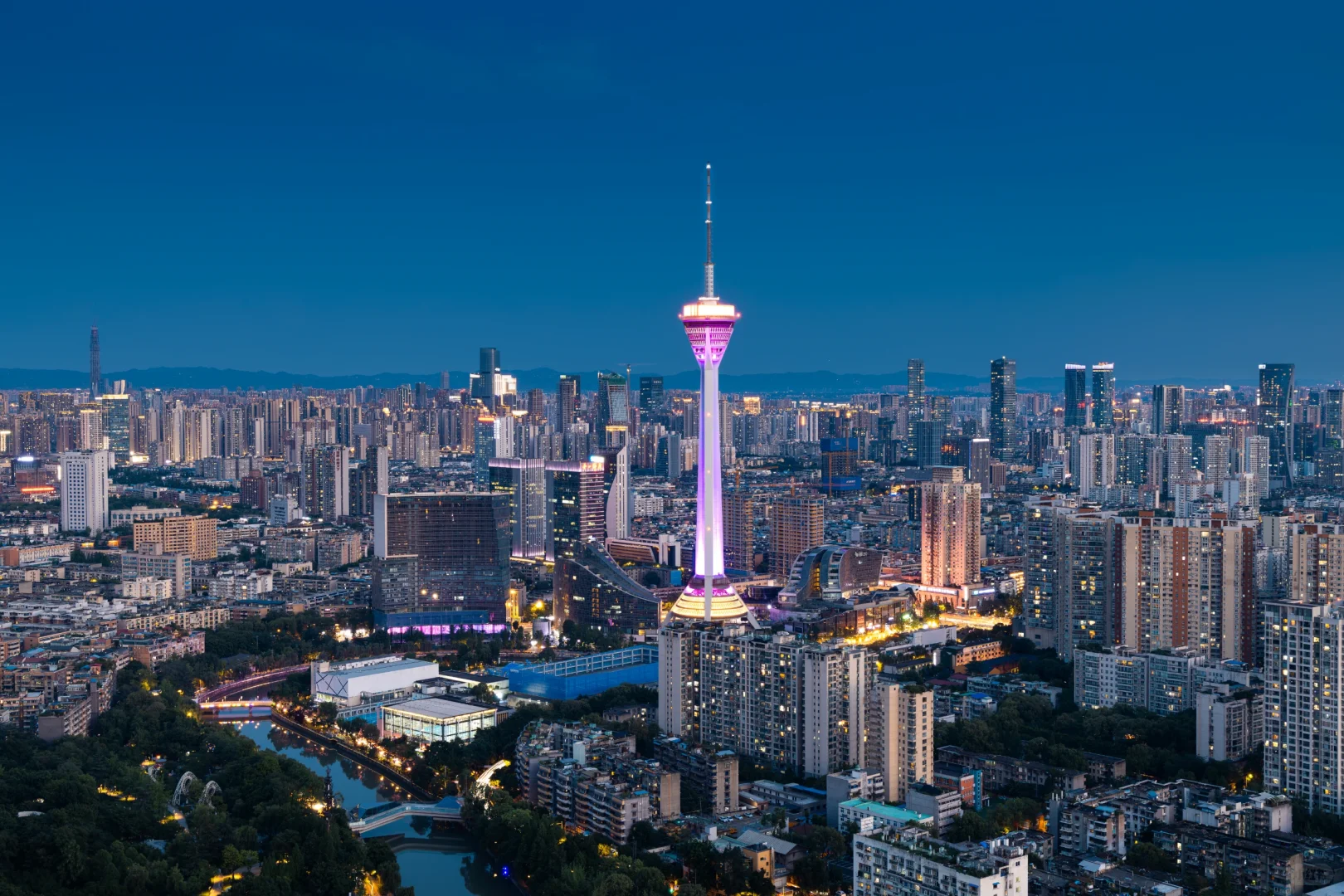
Arrive at Chengdu Tianfu (TFU) or Shuangliu (CTU) International Airport; approx. 1-hour / 30-minute private transfer to the city.
- Your guide greets you and transfers you to your 5-star hotel near Chunxi Road or Wuhou Shrine.
- After settling in, stroll the Kuanzhai (Wide and Narrow) Alleys, where Qing-era courtyard lanes fill with red lanterns, snack carts and teahouses as dusk falls.
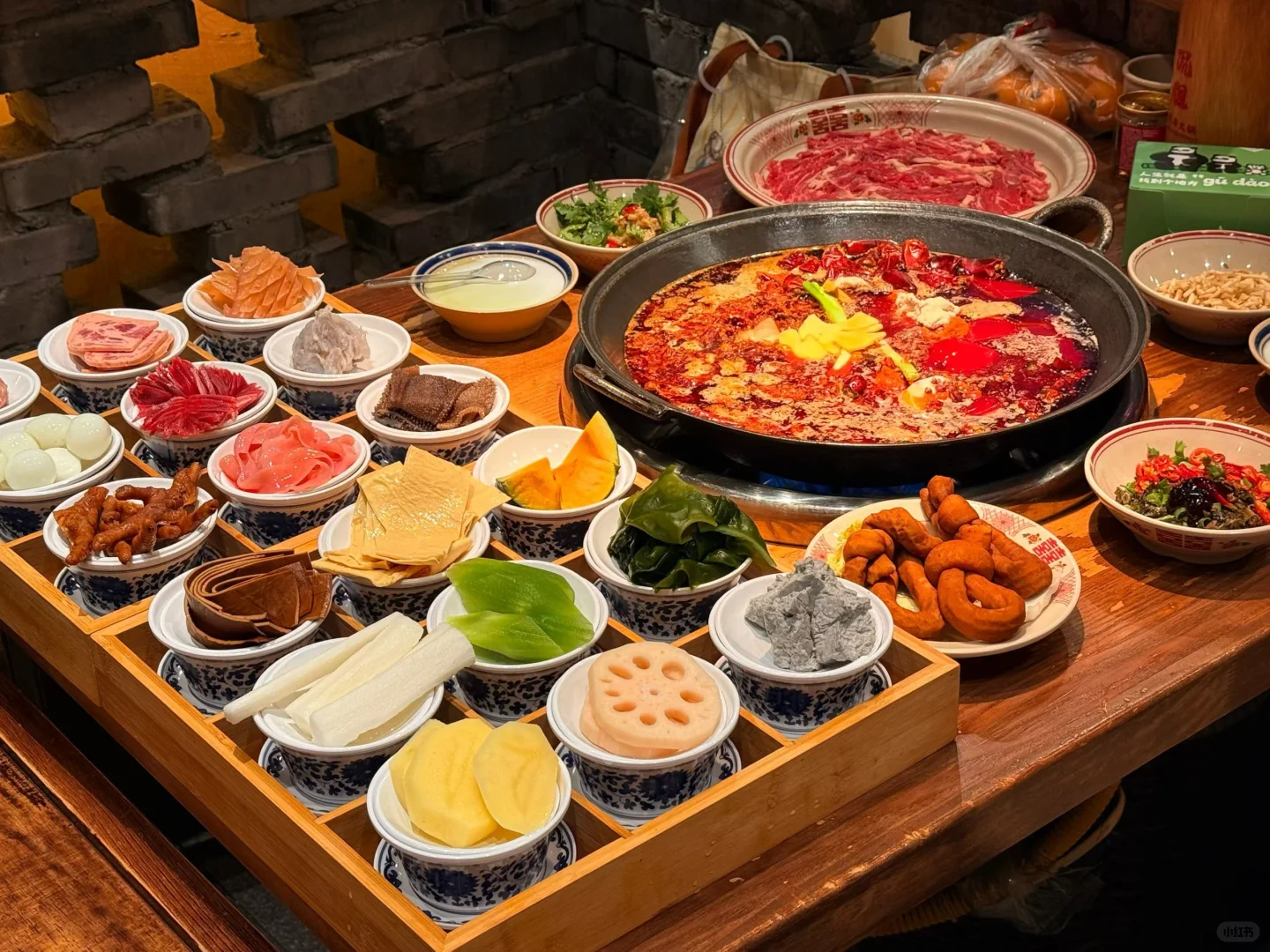
- Welcome dinner: A refined Sichuan banquet — kung pao chicken, tea-smoked duck, mapo tofu and hand-shaved noodles, with the spice tuned to your comfort.
- If timing suits, add an evening Sichuan opera of face-changing (bianlian) and fire-spitting.
Day 2 | Pandas at Dawn, Teahouses & Wuhou Shrine
- Meals: Breakfast, Lunch, Dinner
- Overnight: Chengdu, 5-star hotel
Early start; short private transfers within the city.
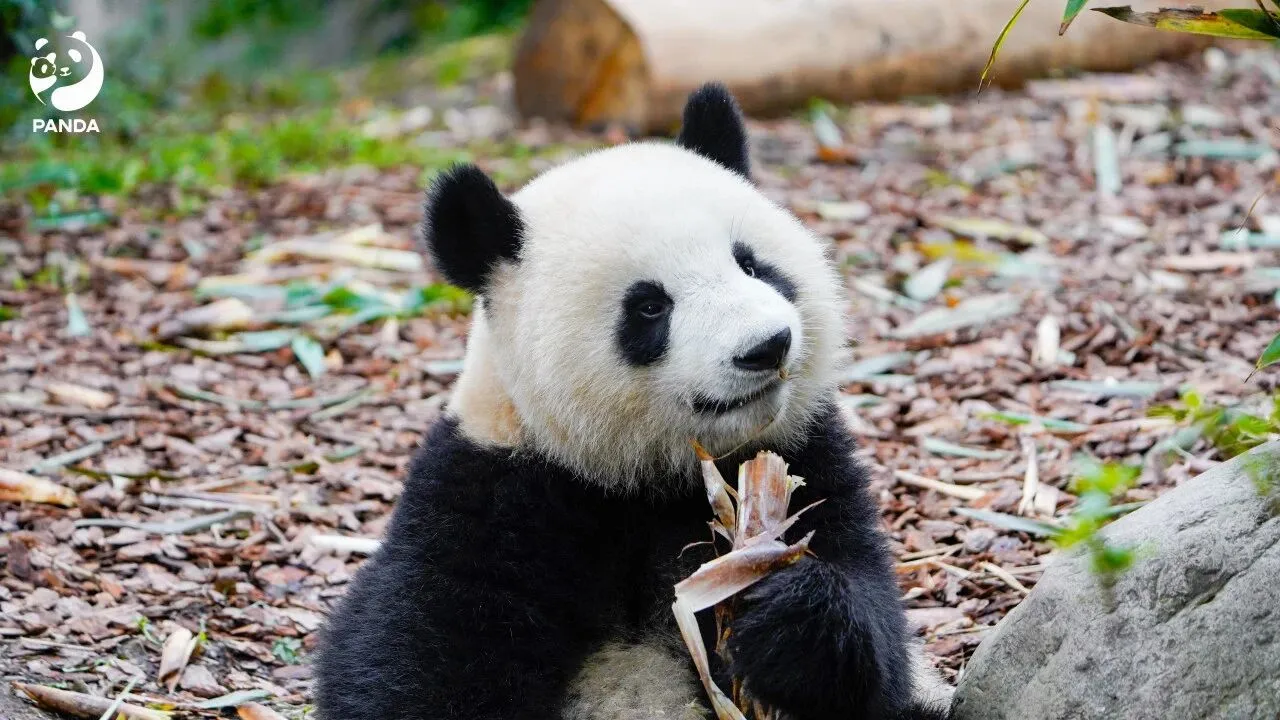
- Morning: Be at the Chengdu Research Base of Giant Panda Breeding when the gates open at 7:30 AM, when the pandas — adults and tumbling cubs alike — are most active, munching bamboo in the morning mist before the day warms up. Spend the morning in this bamboo-forest park with your guide.
- Afternoon: After lunch, slow to true Chengdu tempo in People's Park. Take a bamboo chair under the trees at the historic Heming Teahouse for jasmine tea, watch mahjong games and open-air ear-cleaning, and let the city happen around you. Then visit Wuhou Shrine, a serene Three Kingdoms memorial of ancient cypresses and a famous vermilion wall, beside lively Jinli Street.
- Dinner: Graduate to Sichuan hot pot — choose a half-spicy, half-bone-broth "mandarin-duck" (yuanyang) pot if you are easing into the heat.
Day 3 | High-Speed Rail to Dujiangyan — The 2,200-Year-Old Water Wonder
- Meals: Breakfast, Lunch, Dinner
- Overnight: Dujiangyan, boutique hotel near the South Bridge
Approx. 20–30-minute intercity train Chengdu → Lidui Park (or about a 1-hour drive); the station sits beside the old town.
- Morning: After breakfast, take the Chengdu–Guanxian intercity railway west across the green Chengdu Plain to Lidui Park Station, steps from the ancient town. Enter the scenic area through the high Qinyan Tower gate and follow the classic, almost entirely downhill route — no backtracking and easy walking all day.
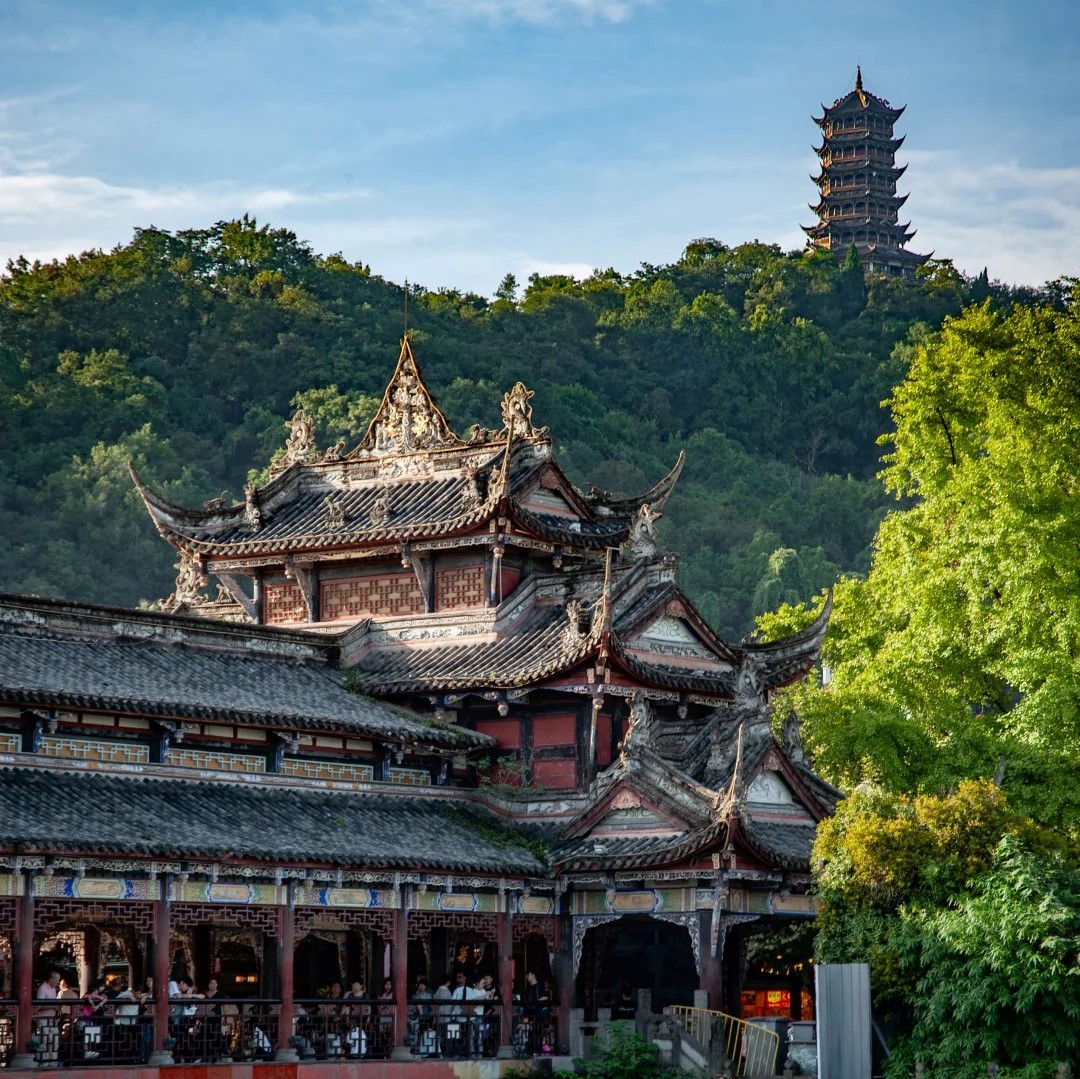
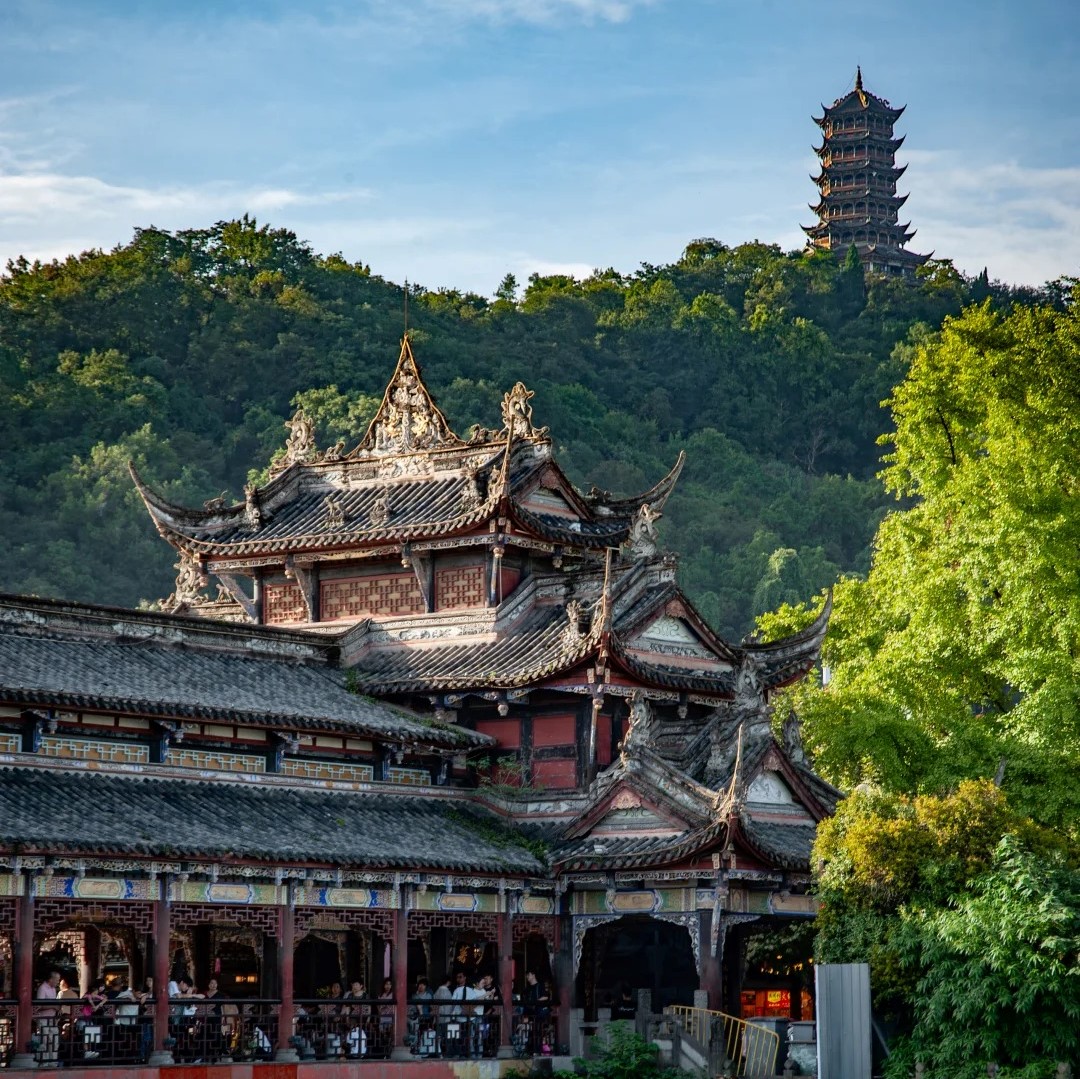
- Begin at Erwang Temple (Two Kings Temple), set among old trees in honor of Li Bing and his son, then cross the thrilling Anlan Suspension Bridge, a bamboo-and-cable span swaying high above the Min River.
- From the Fish Mouth, the wedge-shaped dike at the river's heart, watch the water divide automatically into inner and outer channels. Continue along the Flying Sand Weir, which uses the river's own curves to flush away silt and floodwater, and end at the Bottle-Neck Inlet, the narrow, hand-carved gorge that precisely meters water onto the farmland below — best viewed from Fulong Temple on the Lidui mound.
- Check into a boutique inn in Guanxian old town.
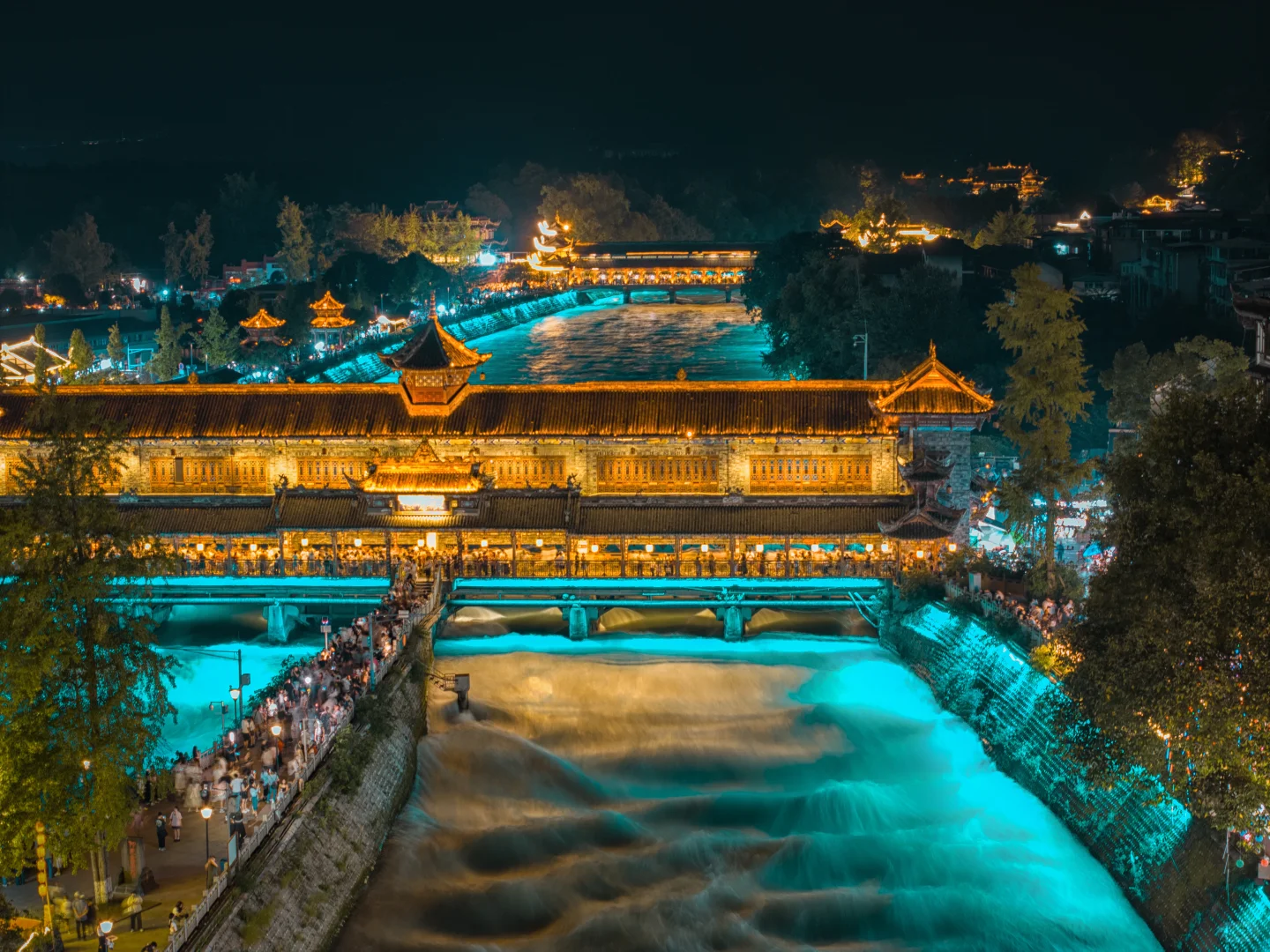
- Evening: After dinner, walk to the South Bridge for the famous "Blue Tears": around 7:00–7:30 PM the riverside lights come on and the moving water glows in shifting blue and emerald tones. This is lighting art rather than naturally glowing water; the riverside is free and sits just outside the scenic area.
Day 4 | Mount Qingcheng Taoist Mountain — Return to Chengdu & Departure
- Meals: Breakfast, Lunch
Approx. 20–30-minute drive to Mount Qingcheng; cable car and light hiking; about 1-hour return transfer to Chengdu.
- Morning: Visit Mount Qingcheng, the "most secluded place under heaven" and one of the birthplaces of Taoism. A shuttle bus and a short boat ride across Yuecheng Lake lead to the cable car, which lifts you through misty cedar forest to the temple area. Walk the quiet stone paths past the Tianshi Cave (Celestial Master's Grotto), the Shangqing Palace and hillside pavilions, with sweeping views over the wooded ridges. Those with energy can climb to the Laojun Pavilion summit; everyone can simply ride up and stroll the level temple terraces.
- Lunch: A farm-style meal at the foot of the mountain — ginkgo-nut stewed chicken, Qingcheng cured pork and wild greens.
- Afternoon: Drive back to Chengdu. If time allows, stop in the city for last-minute shopping at Taikoo Li before your transfer to the airport.
- Because the mountain morning and return drive take the day, we recommend scheduling a departure at 6:00 PM or later. For an earlier flight, we can move Mount Qingcheng to Day 3 and visit Dujiangyan on Day 4 morning.
From the quiet splash of water divided by a 2,200-year-old dike to the warmth of a Chengdu teahouse and the sight of pandas in morning mist, this short journey gathers the calmest, most flavorful corner of Sichuan into four easy days.
What's Included
- Accommodation: 2 nights in a 5-star Chengdu hotel and 1 night in a top-rated boutique hotel in Dujiangyan's old town near the South Bridge; daily breakfast included
- All private transportation: Airport arrivals and departures, Chengdu city touring, the Dujiangyan intercity-rail connection, and Mount Qingcheng transfers by air-conditioned private vehicle with experienced driver
- Dedicated English-speaking guide throughout
- All entrance tickets and activities listed, including the Chengdu Panda Base, the Dujiangyan Irrigation System, Mount Qingcheng (front mountain), the Yuecheng Lake boat and the Qingcheng cable car
- Meals as listed (B/L/D): Sichuan welcome banquet, panda-day lunch and hot pot, Dujiangyan riverside meals and the Qingcheng farm lunch; drinking water and tea included
- Porterage, government taxes and service charges
- No shopping stops, ever
What to Know
- UNESCO site: The Mount Qingcheng and Dujiangyan Irrigation System site was inscribed as a UNESCO World Heritage cultural site in 2000. Chengdu's own city sights (Wuhou Shrine, Jinli Street, Kuanzhai Alley, People's Park) are cultural attractions but not World Heritage Sites.
- Tickets and real-name entry: Dujiangyan costs about RMB 80 (around RMB 60 in the low season, roughly November–February); Mount Qingcheng front mountain RMB 80, cable car about RMB 35 one way / RMB 60 round trip, Yuecheng Lake boat about RMB 5; Chengdu Panda Base about RMB 55. The South Bridge "Blue Tears," Guanxian old town and People's Park are free. Foreign visitors enter using their passport through the staffed channel; your guide handles all bookings.
- Hours: Dujiangyan opens roughly 8:00 AM–6:00 PM in peak season (March–October) and until 5:00/5:30 PM in winter; Mount Qingcheng opens around 8:00/8:30 AM–5:00/5:30 PM seasonally. Exact times shift by season, and we plan the day around them.
- Panda reservations: The Chengdu Panda Base requires advance real-name, timed-entry booking and releases tickets ahead of the visit; early entry (7:30 AM) is the key to active pandas and fewer crowds. As a quieter alternative, Dujiangyan Panda Valley shows pandas in a spacious, forested setting and can be added near the irrigation site.
- Walking and terrain: The recommended Dujiangyan route is gently downhill and suitable for most travelers, including older guests; the Anlan Suspension Bridge sways noticeably and may not suit guests with a fear of heights. Mount Qingcheng involves some steps, but the cable car and shuttle keep climbing minimal. Comfortable non-slip shoes and a light, windproof layer are ideal by the water and on the mountain.
- Spice levels: Sichuan heat builds through the trip; the numbing tingle comes from Sichuan peppercorn, not chili. We always arrange half-mild yuanyang pots and can make every meal mild, non-spicy, vegetarian or vegan with notice. Rabbit head and other adventurous snacks are entirely optional. Dedicated halal and kosher kitchens are limited outside the city center; tell us your needs in advance.
- Weather: Sichuan is humid year-round and can be foggy or rainy, especially on the mountain; spring and autumn (March–May, September–November) are most pleasant. Bring light rain gear and sunscreen; winters are cold and damp rather than freezing.
- Timing your departure: Day 4 includes a mountain morning; a 6:00 PM or later flight is comfortable. We can reorder the two heritage sights to suit an earlier departure, or add an extra night in Chengdu for a relaxed finish.
- Extending your trip: This itinerary pairs naturally with the Leshan Giant Buddha and Chongqing, or with extensions to Xi'an and Shanghai. The forested Qingcheng Back Mountain is a beautiful add-on for hikers with an extra day.