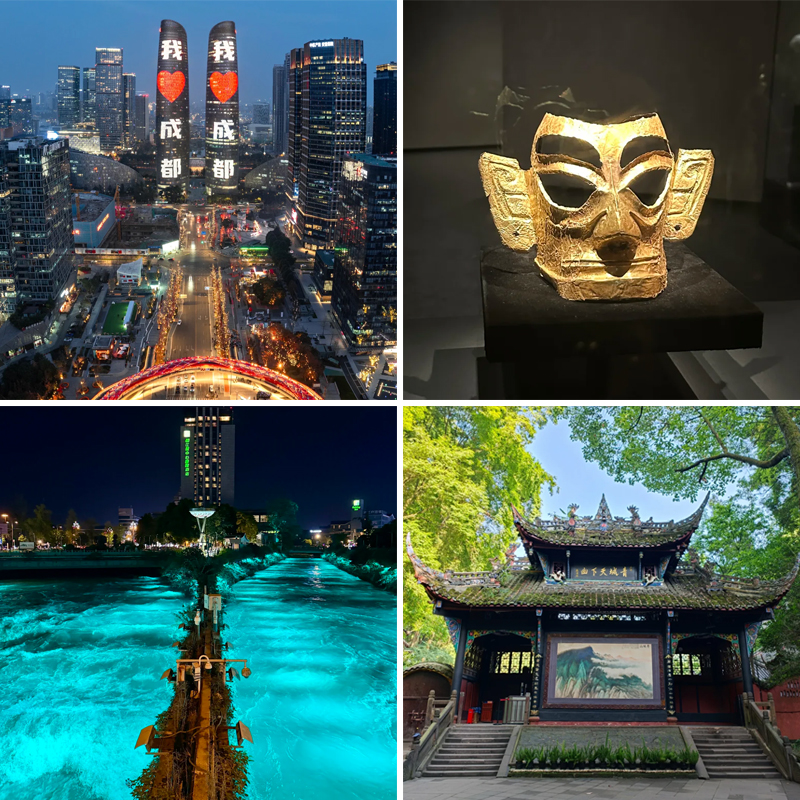
5-Day Ancient Shu & Sichuan Highlands Tour: Chengdu, Sanxingdui, Dujiangyan & Mount Qingcheng
Designed for American Travelers · 5-Star & Boutique Hotels · Meals Included · Private Transportation · Dedicated English-Speaking Guide
Meet giant pandas at breakfast, stand face to face with a 3,000-year-old lost civilization, walk across a 2,200-year-old dam that still waters a province, and hike the misty cradle of Taoism — all within easy reach of one of China's most delicious, relaxed cities. This is the essential Sichuan journey: ancient Shu bronzes, living engineering genius, sacred mountain forests and the famous Chengdu way of life.
Tour Highlights
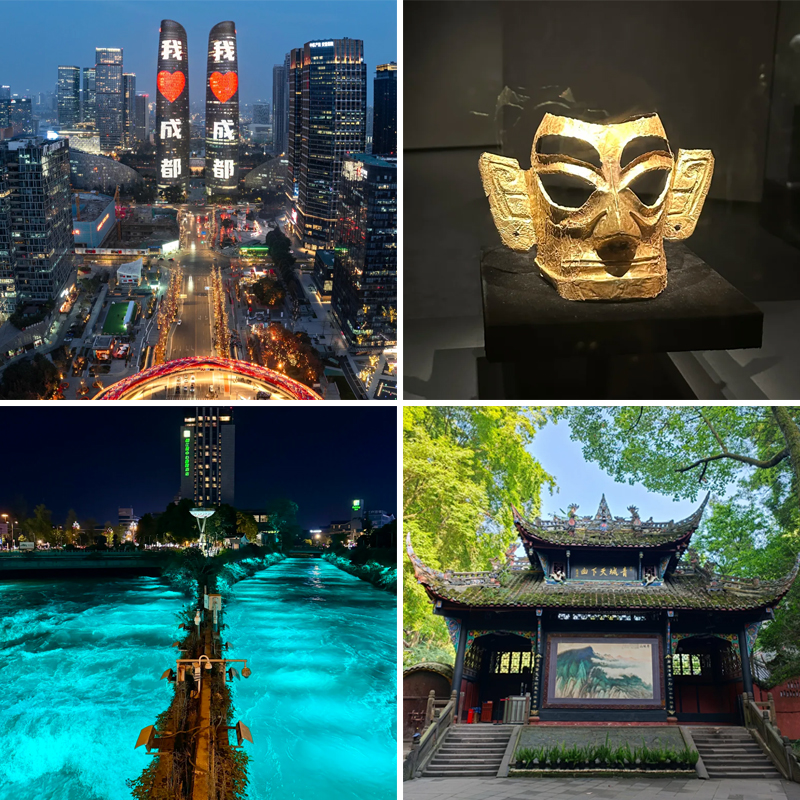
- The Enigma of Sanxingdui — A Lost Bronze-Age Civilization At the world-class Sanxingdui Museum in Guanghan, gaze up at the 2.62-meter Bronze Standing Figure, the towering 3.96-meter Bronze Sacred Tree — the largest single bronze object ever unearthed — and surreal gold masks and protruding-eyed faces that rewrote the history of ancient China. Called one of the greatest archaeological discoveries of the 20th century, this vanished Shu kingdom still has no written explanation.
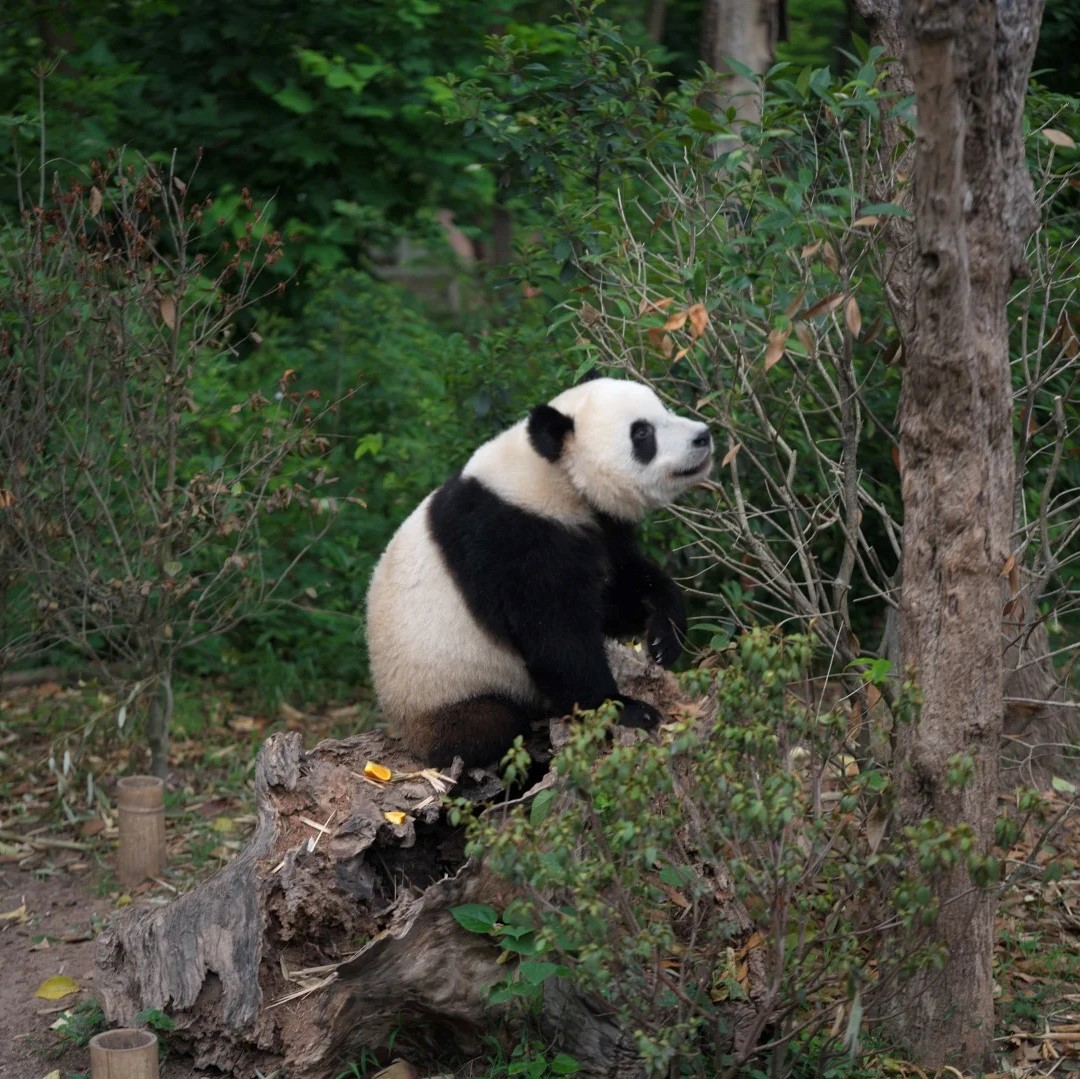
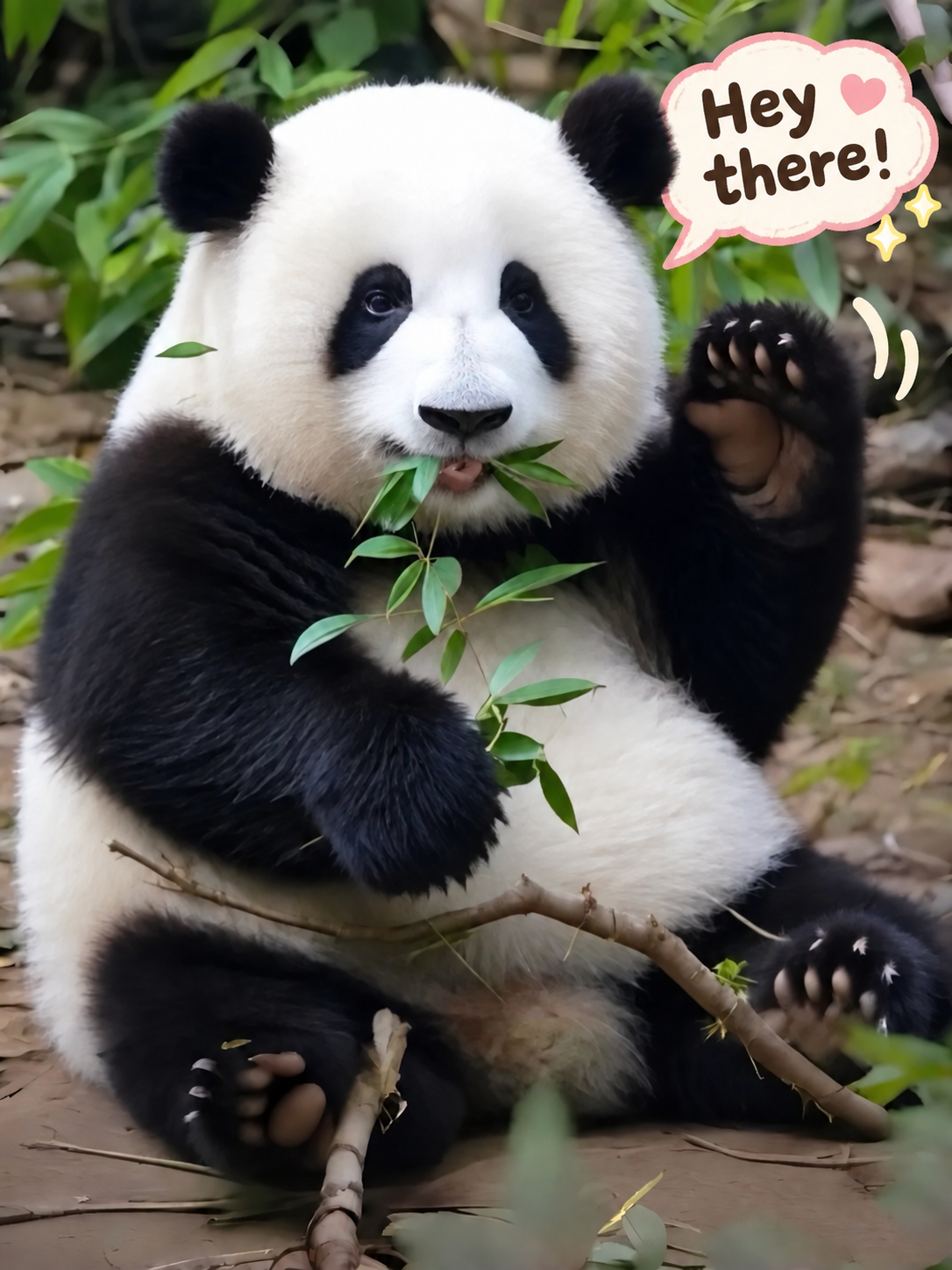
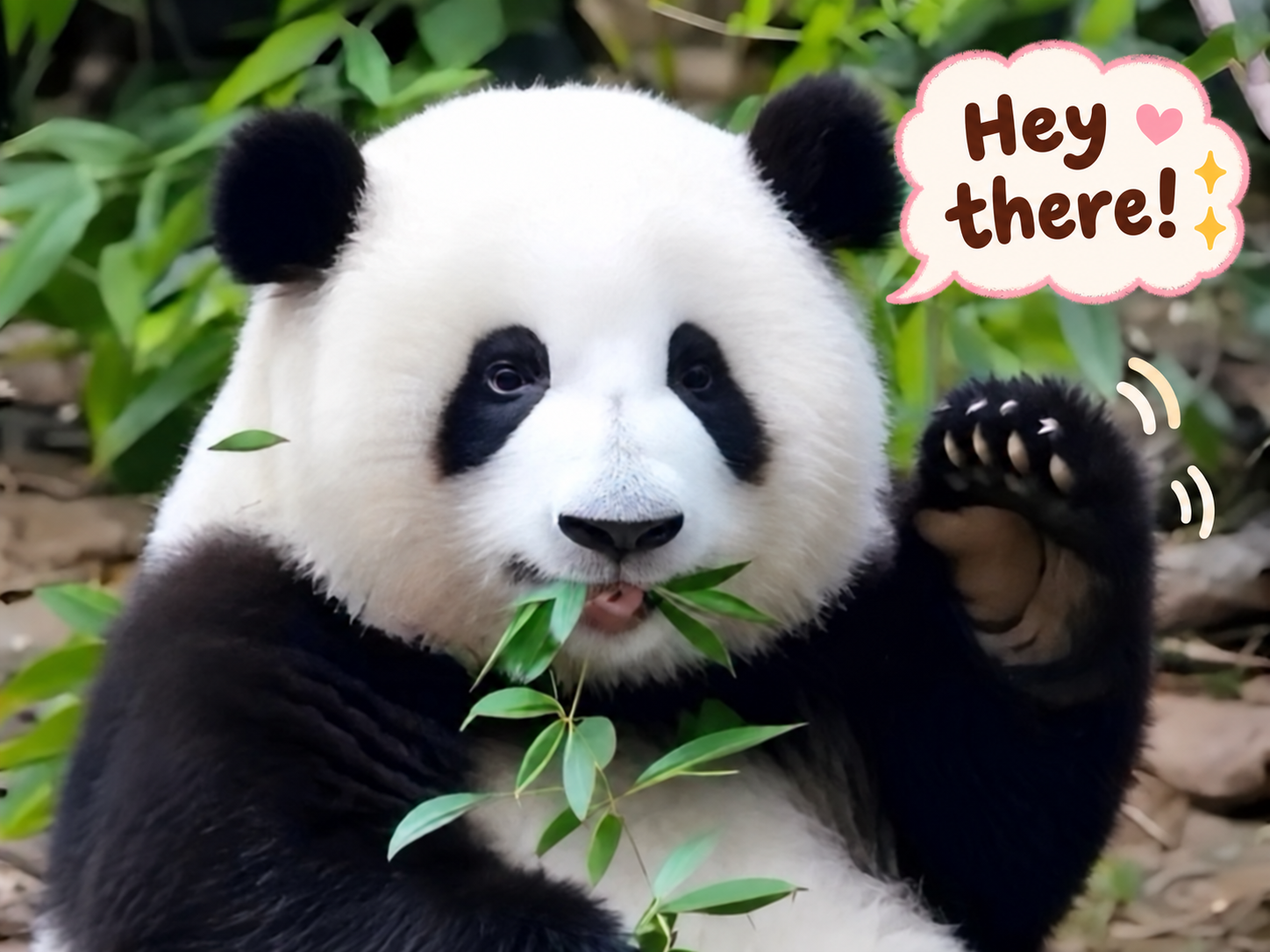
- Giant Pandas Up Close Arrive early at the Chengdu Research Base of Giant Panda Breeding to see red pandas and dozens of giant pandas — including playful cubs — at their most active, munching bamboo and tumbling in the misty hillside enclosures before the day heats up.
- Dujiangyan — The 2,200-Year-Old Living Wonder A UNESCO World Heritage Site completed in 256 BC, the Dujiangyan irrigation system tamed the Min River without a single dam and still protects and feeds the Chengdu Plain today. Trace the three ingenious works — the Fish Mouth divider, Flying Sand weir and Bottle-Neck channel — and cross the swaying Anlan Suspension Bridge.
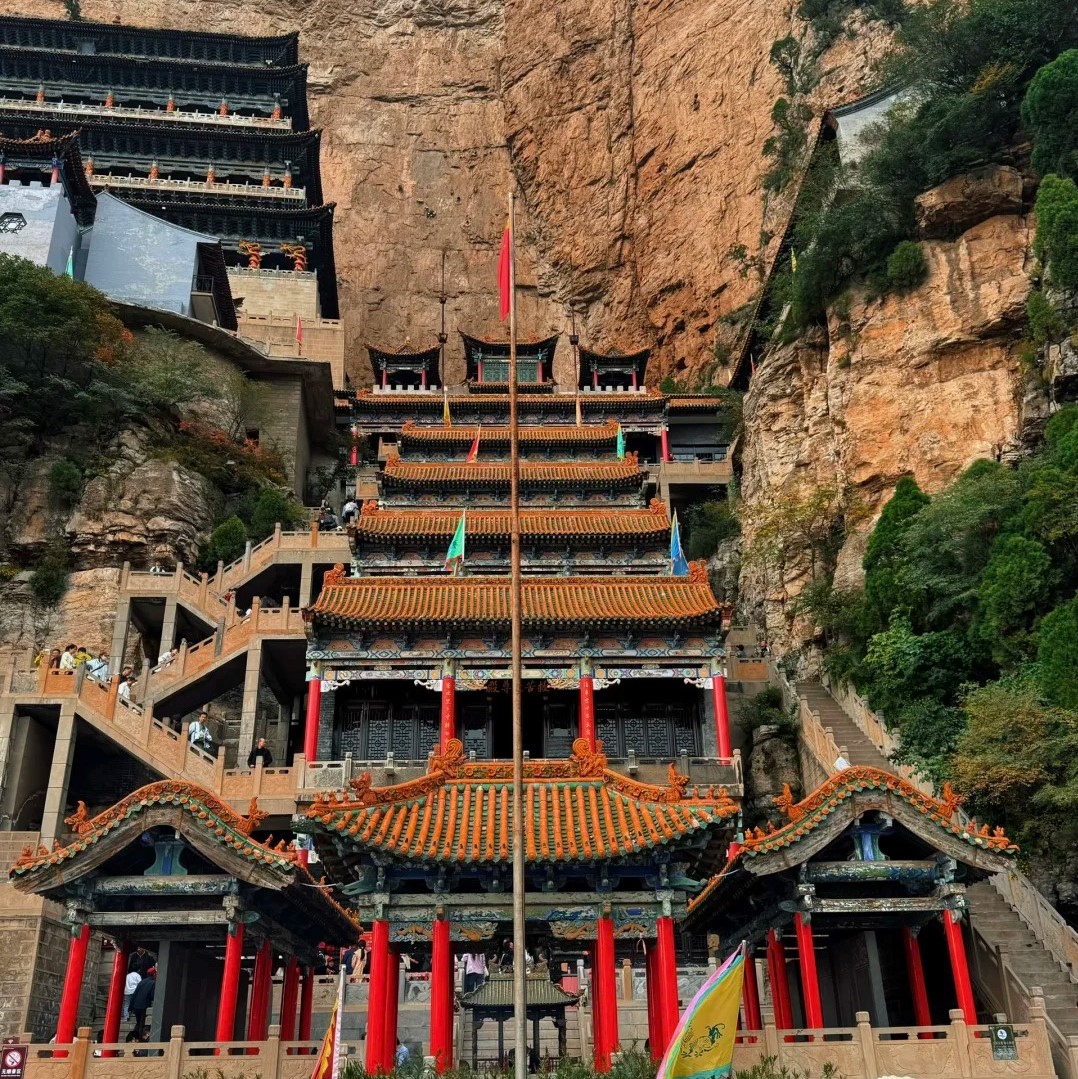
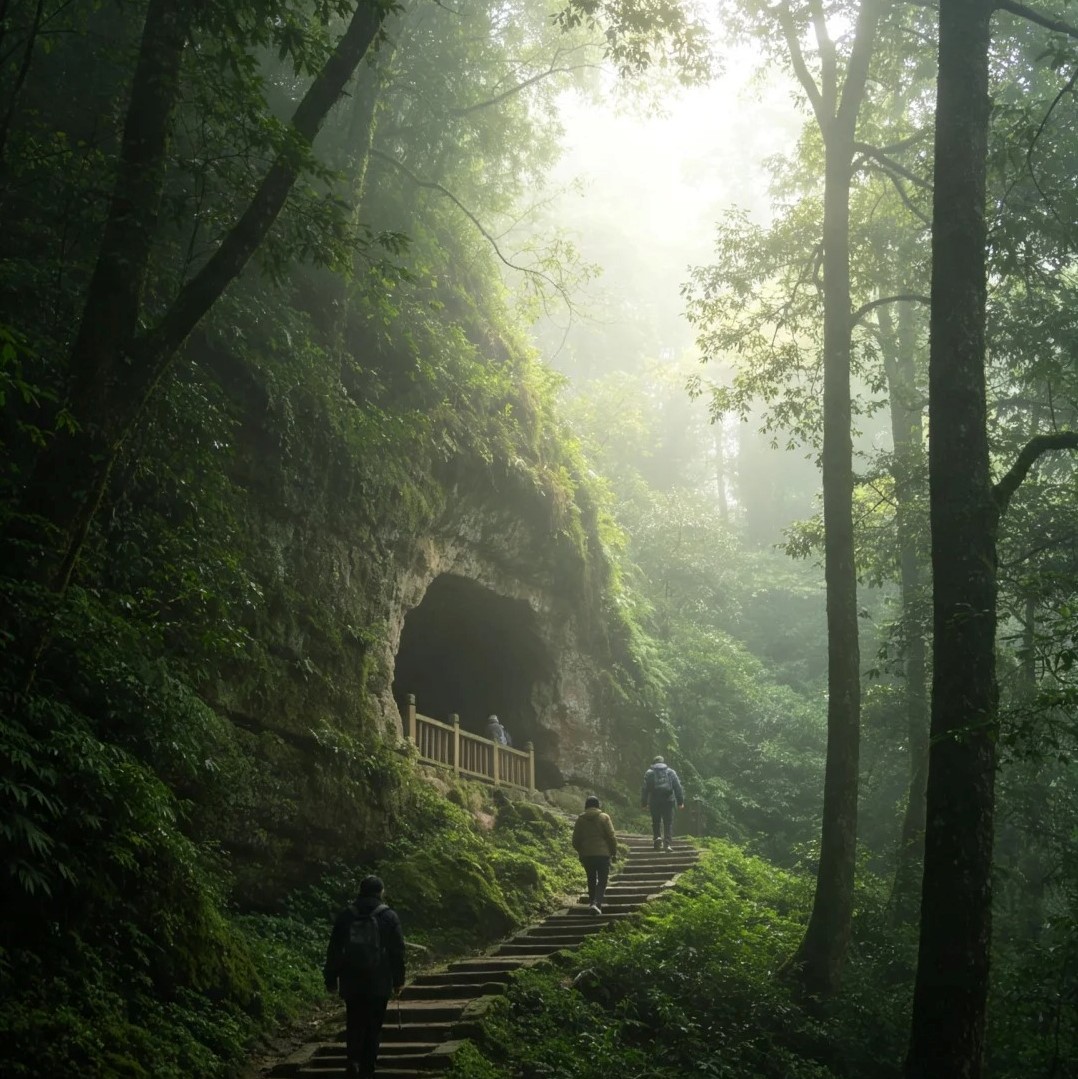
- Mount Qingcheng — Birthplace of Taoism Ride the cable car into the deep, cedar-shaded quiet of "the most secluded mountain under heaven," where the Taoist religion took root nearly two thousand years ago. Explore mossy temples, cliffside pavilions and stone trails through evergreen forest, often wrapped in mountain mist.
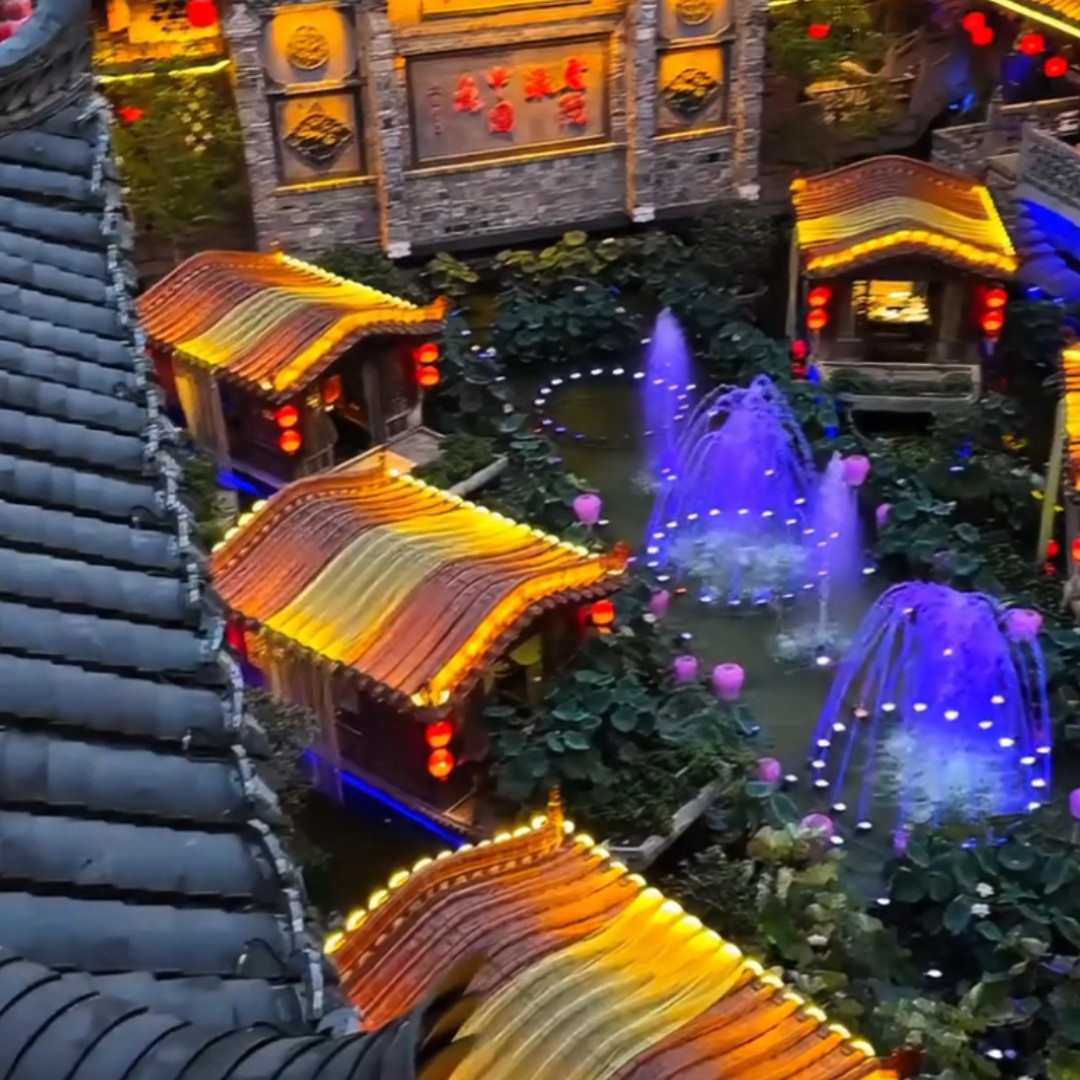
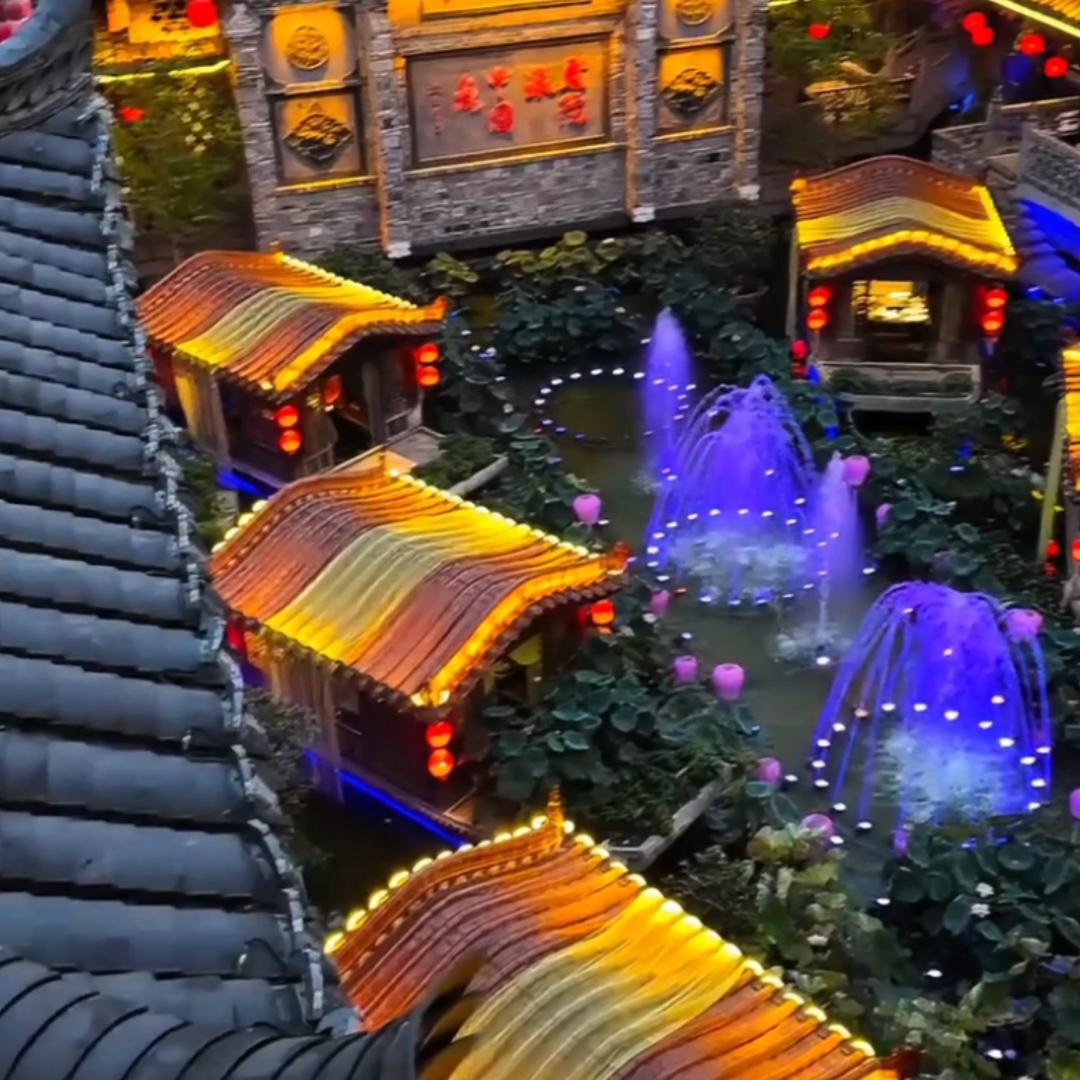
- The Soul of Chengdu — Tea Houses, Hot Pot & Face-Changing Opera Sip gaiwan tea in a century-old people's park, lose yourself in lantern-lit Jinli Lane and Kuanzhai Alleys, feast on authentic Sichuan hot pot, and watch the spellbinding face-changing and fire-spitting of a Sichuan opera evening.
- Exceptional Value, All-Inclusive Premium Tour Your package covers all private ground transportation, hand-selected city and mountain-view hotels, an expert English-speaking guide, every entrance ticket and listed cable car, plus daily breakfast and selected local meals — no shopping stops, ever.
Day-by-Day Itinerary
Day 1 | Arrival in Chengdu · Lantern Lanes & Sichuan Opera
- Meals: Dinner
- Overnight: Chengdu, 5-star hotel
Full day: Private pickup at Chengdu Tianfu or Shuangliu International Airport and transfer to your city-center hotel. Settled for over two millennia and famed for its easygoing, tea-loving culture, Chengdu is the relaxed capital of Sichuan.
- Afternoon: Stroll the elegant Qing-era Kuanzhai Alleys (Wide and Narrow Lanes) of restored courtyard homes, then join the locals at People's Park for a classic gaiwan (lidded-cup) tea among bamboo chairs and chirping birdcages.
- Evening: Welcome dinner of Sichuan hot pot — cook thinly sliced beef, mushrooms and greens at the table in fragrant, numbing-spicy broth (mild broths available). Cap the night with a Sichuan opera show featuring lightning-fast face-changing, fire-spitting, shadow puppetry and comedy.
Day 2 | Giant Pandas & the Sanxingdui Bronze Civilization
- Meals: Breakfast, Lunch
- Overnight: Chengdu
- 07:30: Depart for the Chengdu Research Base of Giant Panda Breeding in the northern hills. About 40 minutes. Arrive when the gates open to catch the giant pandas and cubs at breakfast — their most active hour, before it grows warm (when temperatures rise above about 79°F / 26°C the pandas move into cooled indoor houses, also viewable). Look for red pandas along the wooded paths.Advance real-name reservation included; carry your passport.
- Lunch: Continue north to Guanghan for a local lunch — try Guanghan shredded rabbit and hand-cut noodles.
- Afternoon: Visit the Sanxingdui Museum. About 1 hour's drive from the panda base. With your specialist guide, explore the striking new museum halls and the treasures of the ancient Shu kingdom: the life-size Bronze Standing Figure, the colossal Bronze Sacred Tree, the gold scepter and masks, the wheel-like bronze "sun" and the uncanny protruding-eyed giant masks — a sophisticated Bronze Age culture unrelated to the Yellow River civilizations long thought to be China's single origin.The museum is closed on most Mondays; we schedule accordingly. Bags can be stored; no flash photography, selfie sticks or lighters in the halls.
- Evening: Return to Chengdu. Approx. 1–1.5 hours. Evening at leisure — perhaps Chunxi Road and the iconic giant climbing panda on the IFS building.
Day 3 | Chengdu → Dujiangyan · The Dam Without a Dam
- Meals: Breakfast, Lunch, Dinner
- Overnight: Dujiangyan, boutique riverside hotel
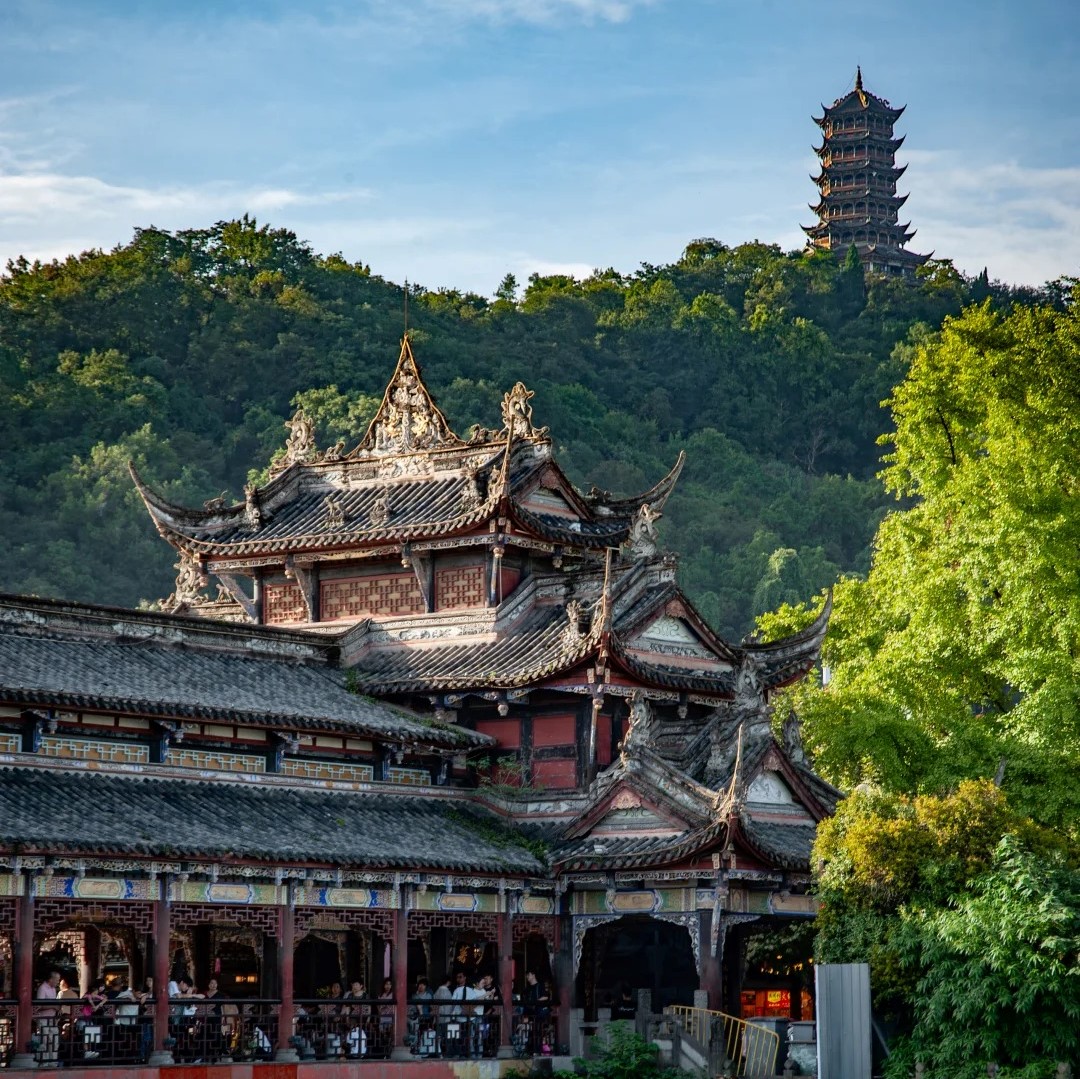
- Morning: Drive northwest across the Chengdu Plain to Dujiangyan. Approx. 60 km / 1–1.5 hours.A 30-minute intercity high-speed train is an available alternative. Built in 256 BC by Qin governor Li Bing and his son, the Dujiangyan Irrigation System split the flood-prone Min River, flushed away silt and watered the plain using no dam at all — and it has operated continuously for over 2,200 years, helping create the fabled "Land of Abundance." Walk the classic route: the Fulong Temple viewpoint, the narrow Bottle-Neck Channel (Baopingkou), the Flying Sand Spillway, and the Fish Mouth (Yuzui) dividing levee — best appreciated from the Qinyan Tower overlook — then cross the river on the gently swaying Anlan Suspension Bridge to the wooded Two Kings Temple (Erwang Miao) honoring Li Bing.
- Lunch: Local Sichuan farmhouse lunch near the park.
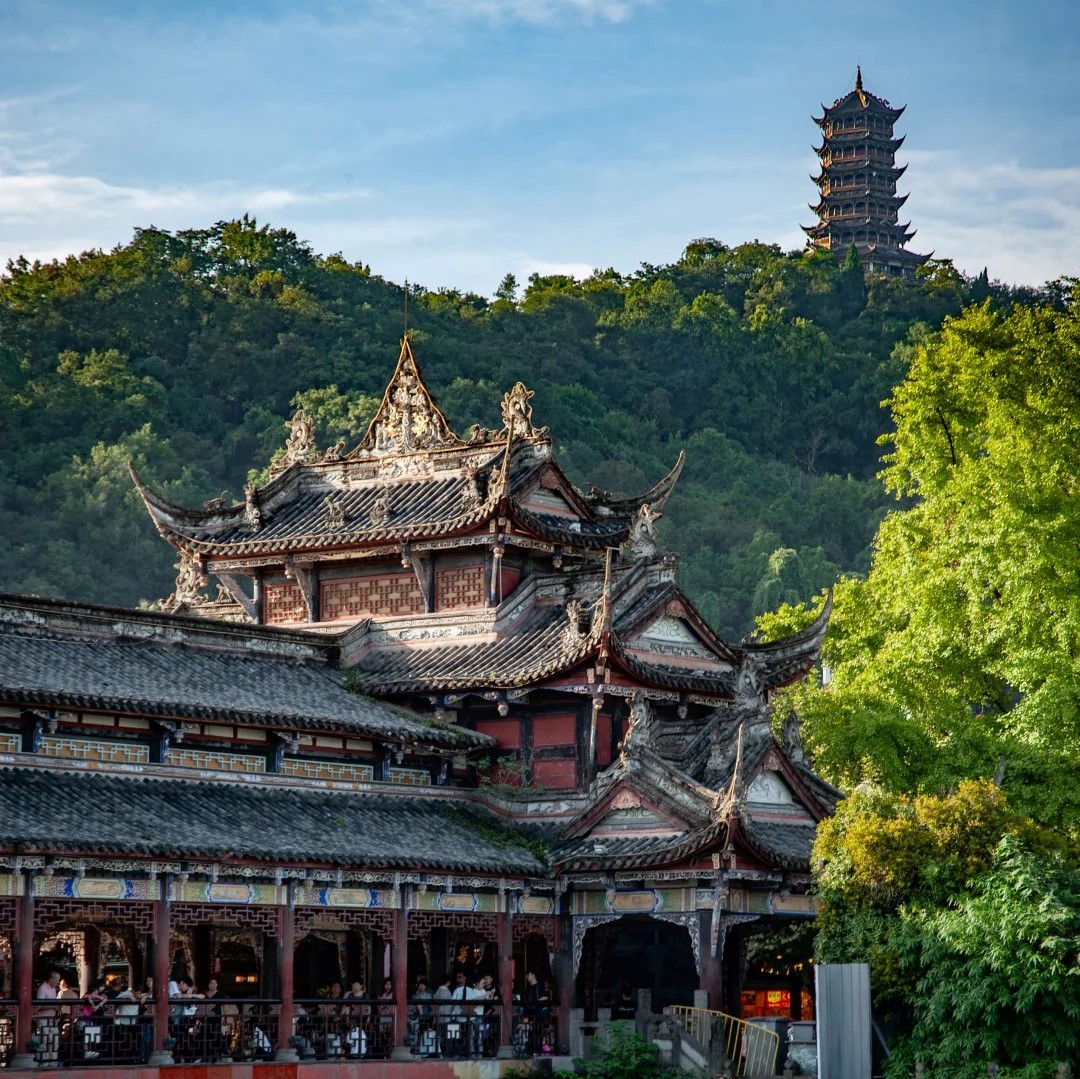
- Afternoon/Evening: Wander the old Guanxian (Dujiangyan) Ancient Town and the covered South Bridge, beautifully lit after dark over the rushing river. Optional evening sound-and-light show projecting the project's history onto the weir.
Day 4 | Mount Qingcheng · The Most Secluded Mountain Under Heaven
- Meals: Breakfast, Lunch
- Overnight: Chengdu, 5-star hotel
- Morning: Drive to the Front Mountain of Mount Qingcheng (Qingcheng Shan). About 20 km / 30–40 minutes. A UNESCO World Heritage Site together with Dujiangyan, this evergreen, mist-wrapped mountain is the cradle of religious Taoism, where the Celestial Masters tradition was founded nearly 1,900 years ago. Take the cable car up, then follow the mossy stone trail through ancient cedar and ginkgo forest: visit Shangqing Palace, the clifftop Tianshi Cave (Celestial Master's Grotto) and the summit Laojun Pavilion, with sweeping views over the forested ridges on clear days. Hike down at a gentle pace through incense-scented courtyards.Roughly 3–4 hours; cable car included for the ascent.
- Lunch: A mountain vegetarian/Taoist meal featuring local specialties such as ginkgo chicken and cured pork.
- Afternoon: Return to Chengdu. Approx. 1.5 hours. Evening in Jinli Ancient Street, the lantern-hung lanes beside the historic Wuhou Shrine, browsing crafts and sampling street snacks — zhong dumplings in chili oil, longchaoshou wontons, dandan noodles and sweet "three cannon" rice cakes.
Day 5 | Jinsha Treasures & Departure
- Meals: Breakfast
- Morning: Visit the Jinsha Site Museum, built over the excavated ritual center of the later ancient Shu kingdom linked to Sanxingdui. Walk among actual excavation pits and see the exquisite Sun-and-Immortal-Bird gold ornament — the emblem of Chengdu and a symbol of Chinese cultural heritage — gold sun-bird foil, jade and ivory, completing the story begun in Guanghan. Time permitting, a last stroll for souvenirs (Sichuan tea, pandas, Shu brocade and embroidery) before your private transfer to Chengdu Tianfu or Shuangliu International Airport or the railway station.We recommend a flight after 14:00; an earlier departure can drop Jinsha. Please share your flight time when booking.
From 3,000-year-old gold that glows as if made yesterday, to pandas dozing in bamboo and an engineering miracle that refuses to grow old — this is Sichuan at its most wondrous and welcoming.
What's Included
- Private air-conditioned vehicle with an experienced driver throughout, including Chengdu–Guanghan and the Chengdu–Dujiangyan–Qingcheng round trip
- Dedicated English-speaking guide, with a specialist archaeology guide at Sanxingdui
- 4 nights' accommodation: 3 nights in a 5-star Chengdu hotel and 1 night in a boutique riverside hotel in Dujiangyan (daily breakfast included)
- All entrance tickets and reservations: Chengdu Giant Panda Base, Sanxingdui Museum, Dujiangyan Irrigation System (incl. in-park transport as listed), Mount Qingcheng Front Mountain with one-way ascending cable car, and Jinsha Site Museum
- Selected meals: 4 breakfasts, 4 lunches and 2 dinners, featuring Sichuan hot pot, Guanghan noodles, mountain Taoist cooking and classic Chengdu street food
- Sichuan opera evening show (face-changing and fire-spitting), bottled water in the vehicle, and 24/7 on-trip assistance
- No shopping stops — a pure, privately escorted cultural and natural experience
What to Know
- Route & pacing: The trip begins and ends in Chengdu, with one night in Dujiangyan so you needn't double back from the mountain in a single day. We pair the Panda Base and Sanxingdui on one day (both lie north of the city) and Dujiangyan and Mount Qingcheng on the next (both northwest), the standard routing used by experienced private operators to avoid detours.
- Reservations & Mondays: The Panda Base and Sanxingdui both require advance real-name, time-slot reservations (Sanxingdui often sells out several days ahead), and Sanxingdui is closed on most Mondays except public holidays. We book everything with your passport details; carry your passport every day. Jinsha and the city museums also require free advance booking, which we arrange.
- Best seasons: March–June and September–November are ideal — mild, green and clear. Summer (July–August) is hot and humid; the pandas move indoors during the warmest hours, and mountain mists are common. Winter is cool and quiet. A light rain layer is useful year-round.
- Walking level: Moderate to active. Expect 3–4 hours of museum walking at Sanxingdui, extensive stone steps and trails on Mount Qingcheng (cable car up, hiking down), and lots of uneven historic paving at Dujiangyan. Comfortable non-slip walking shoes are essential; the itinerary can be softened with extra cable cars and shorter routes on request.
- Sichuan food: Famous for mala numbing-spice, but the cuisine runs far beyond heat — delicate wontons, aromatic teas, Taoist vegetarian dishes and mild broths. Please tell us any spice preference or allergy in advance; every meal can be adjusted, and vegetarian, halal and gluten-conscious options are available with notice.
- Altitude & comfort: All sites sit below about 1,600 m (5,250 ft), so no altitude concerns; the mountain is simply steep in places. Bring sunscreen and insect repellent in summer, and a light jacket for air-conditioned museums and cool mountain evenings.
- Photography: Photos are welcome outdoors and at the panda base, but flash is prohibited in the Sanxingdui and Jinsha galleries; selfie sticks and tripods are not permitted inside the museums.