

Chengdu-Leshan-Chongqing
6-Day Sichuan Spice Route Tour: Chengdu, the Leshan Giant Buddha & Chongqing
Designed for American Travelers · 5-Star Hotels · Signature Meals Included · Private Transportation & High-Speed Rail · Dedicated English-Speaking Guide
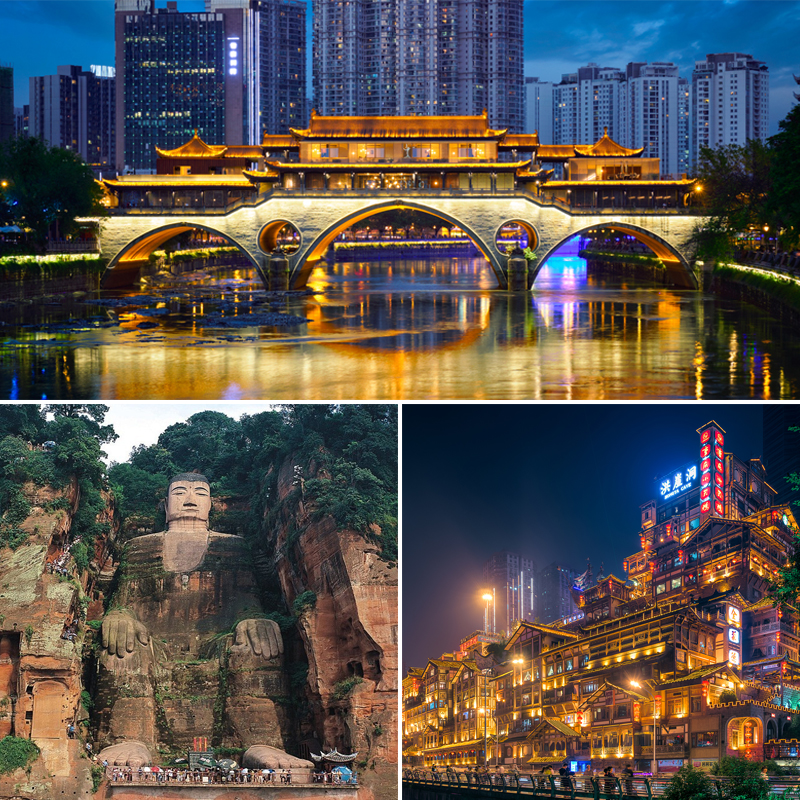
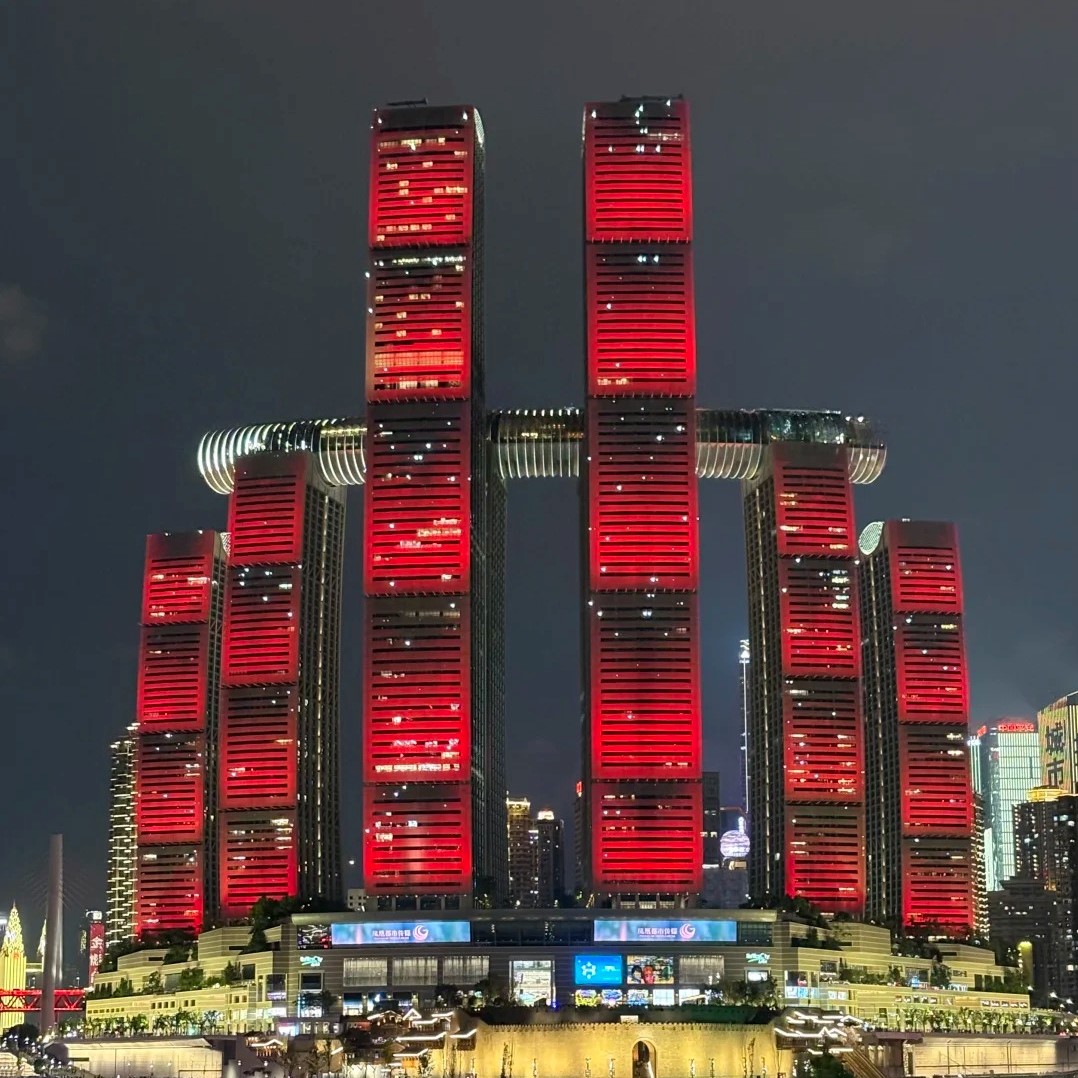
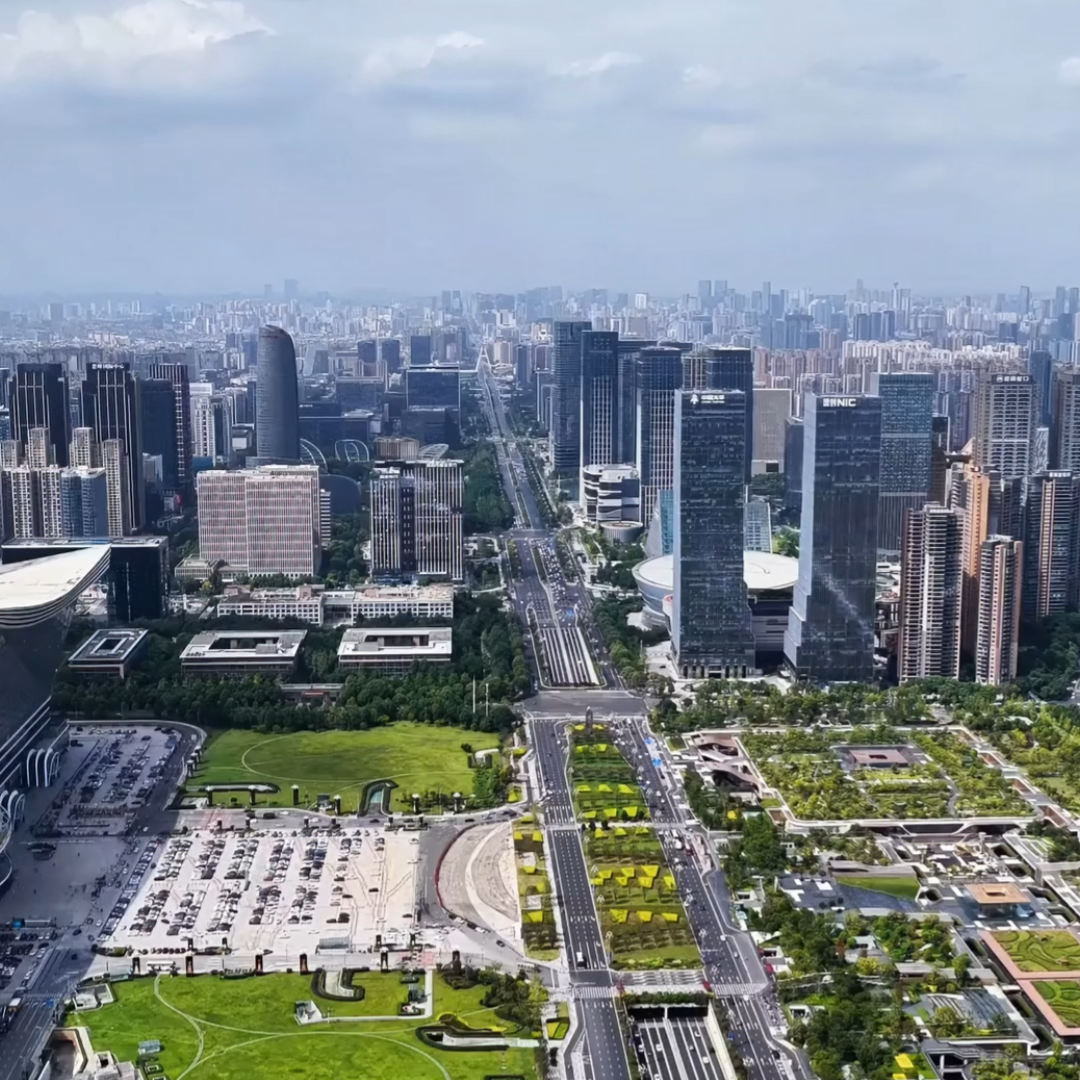
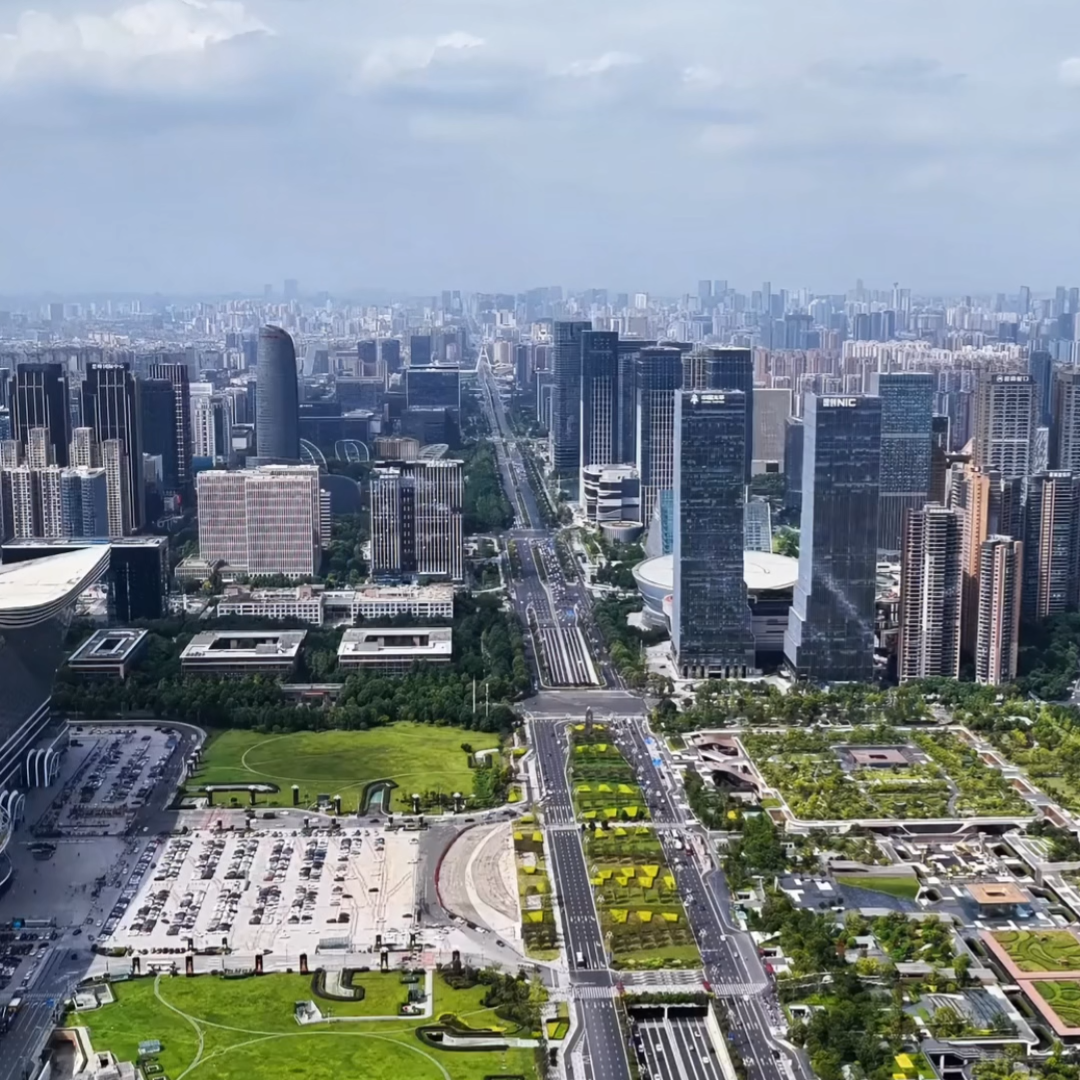
Two of China's most electric cities, one legendary cuisine, and two UNESCO World Heritage Sites — with giant pandas in between. Start in easy-going Chengdu, home of teahouses, tingly mapo tofu and the world's most important panda reserve. Stand at the toes of the 71-meter Leshan Giant Buddha, carved by hand into a riverside cliff. Then ride the bullet train to vertical, neon-drenched Chongqing, where monorails pass through apartment towers, hot pot simmers in pure beef tallow, and a 1,000-year-old cliff of 50,000 Buddhist carvings waits just beyond the city. Privately guided, all-inclusive, no shopping stops.
Tour Highlights
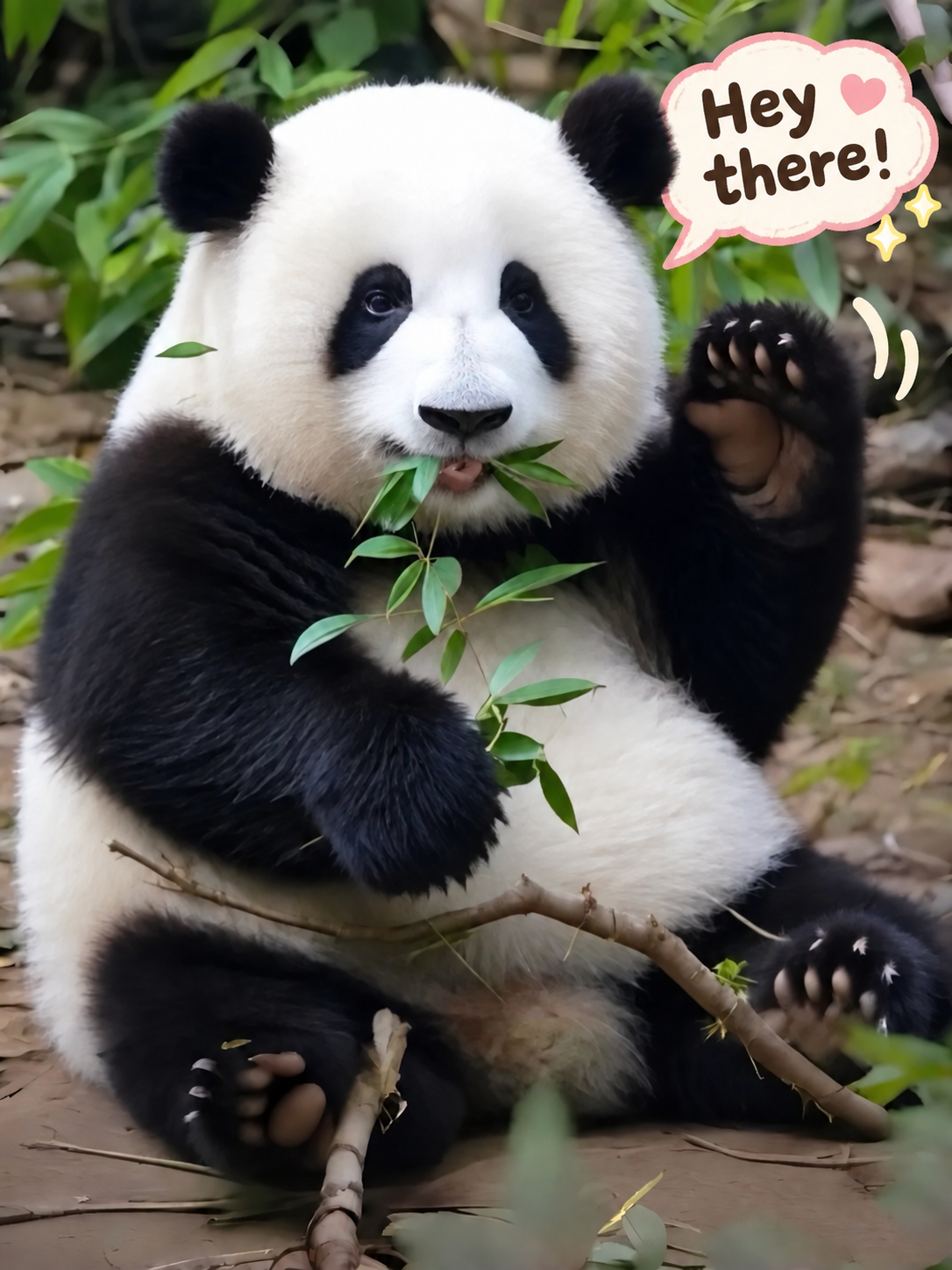
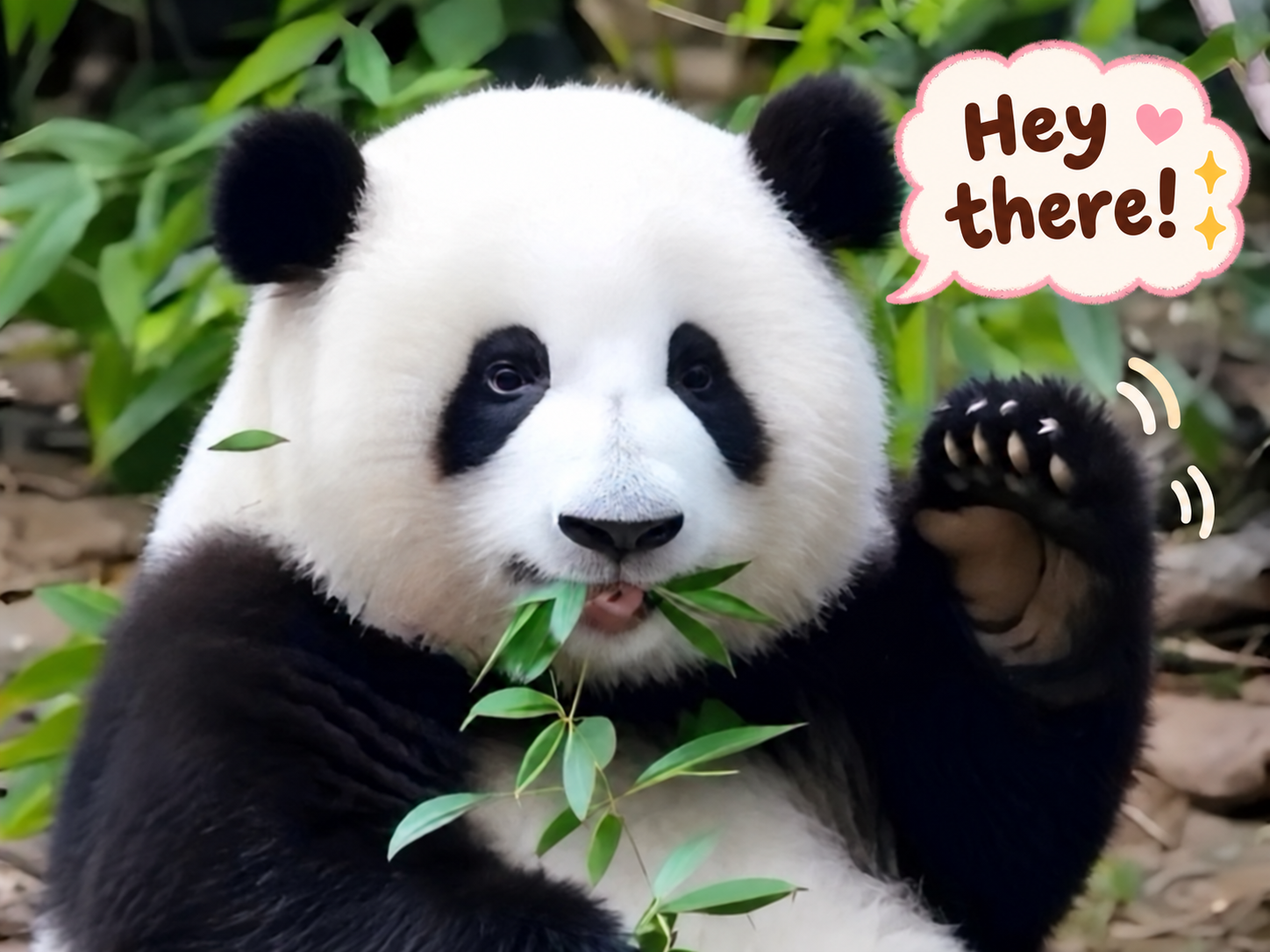
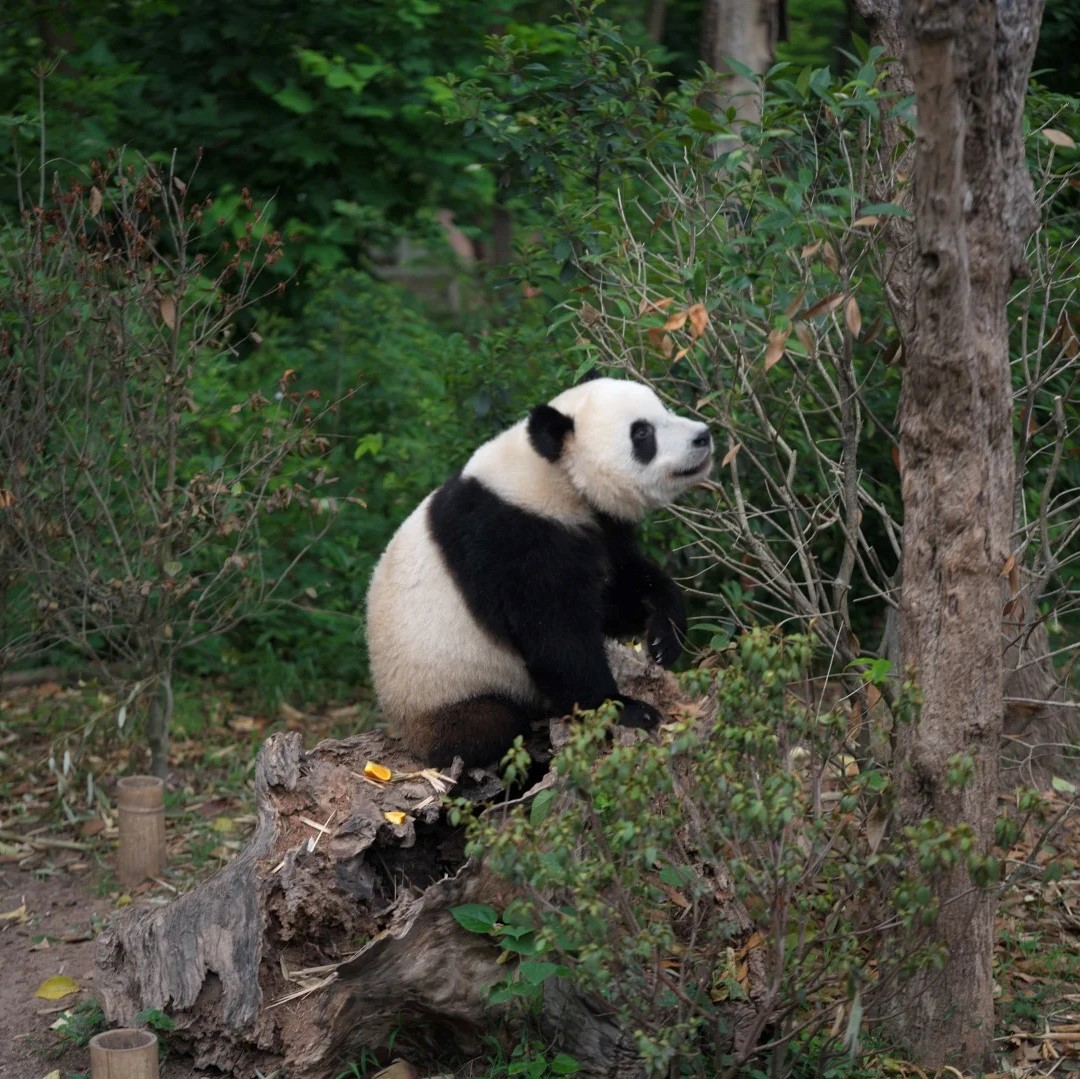
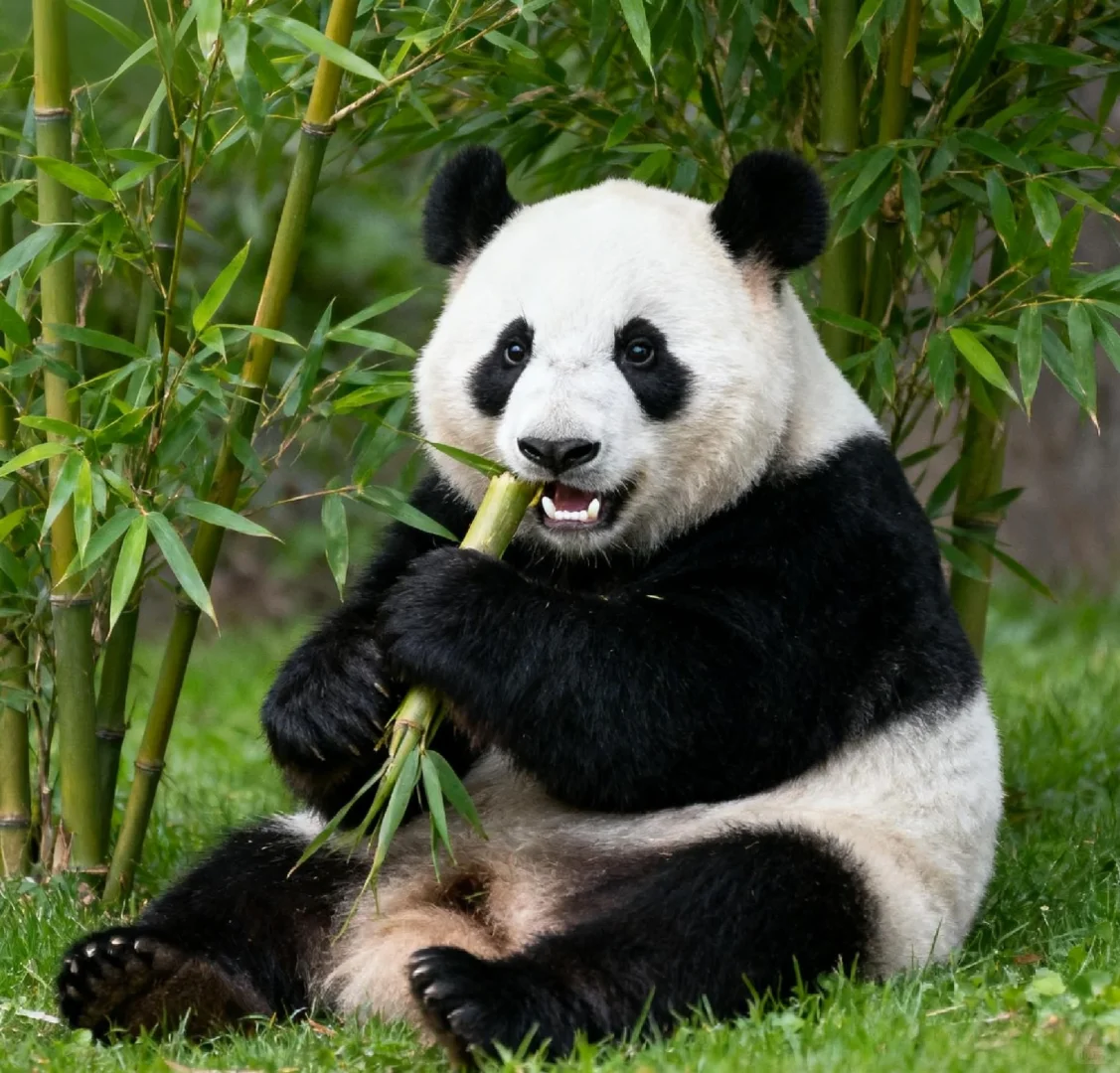
- Giant Pandas at the Source Enter the Chengdu Research Base of Giant Panda Breeding at the 7:30 AM opening, when the pandas — including the famous cub "He Hua" — climb, tumble and munch bamboo before the heat and crowds arrive.
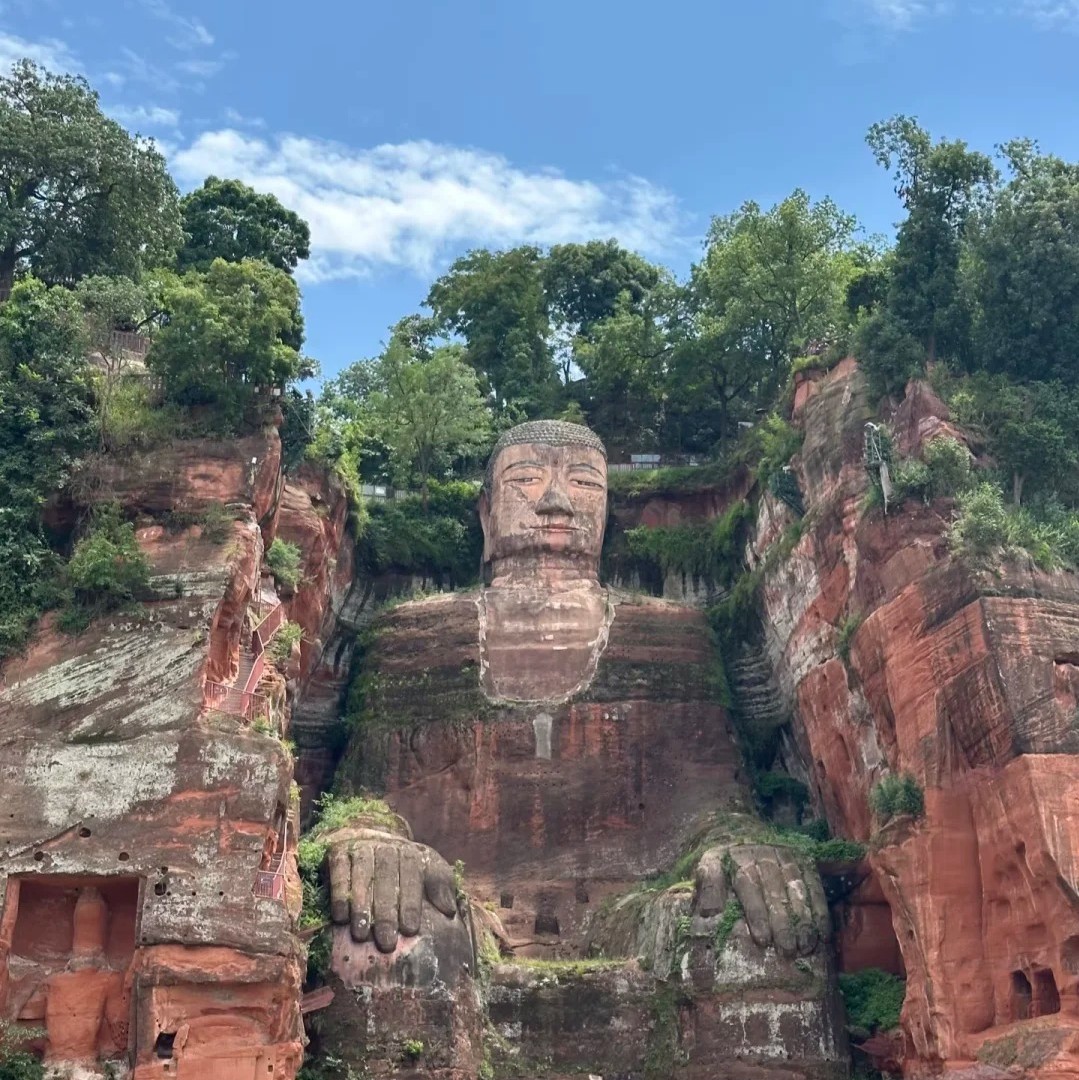
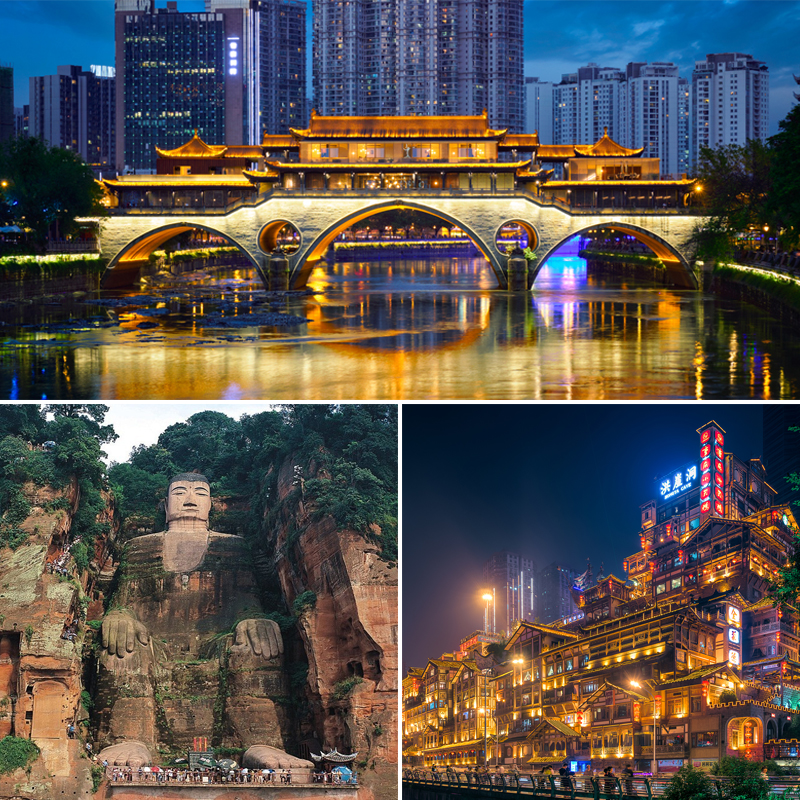
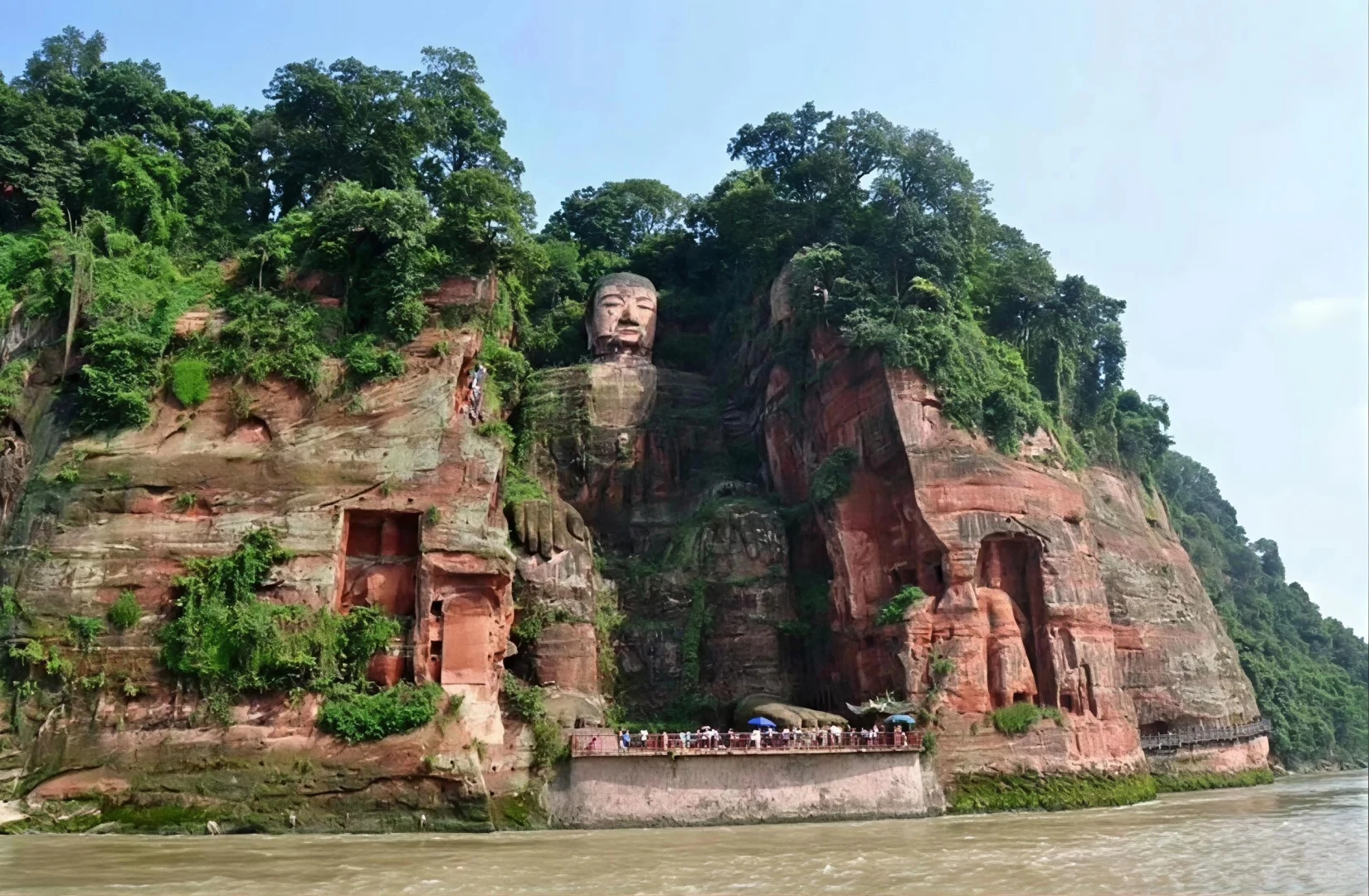
- The Leshan Giant Buddha, Up Close and by Water See the world's tallest pre-modern stone Buddha both from a river cruise (the only way to grasp its full 71-meter scale) and on foot, descending the cliffside walkway to stand at its feet where three rivers converge.
- Two UNESCO World Heritage Sites The Mount Emei Scenic Area including the Leshan Giant Buddha (1996, mixed cultural and natural heritage) and the breathtaking Dazu Rock Carvings (1999).
- A Full Sichuan Cooking Education Chengdu hot pot fragrant with Sichuan peppercorn, dan dan noodles, mapo tofu and tea-smoked duck; Leshan's "skittle" beef and sweet-skin duck; then the wilder, beef-tallow fire of authentic Chongqing hot pot and xiaomian noodles.
- The 8D City Ride the Yangtze River cable car, watch a train pass through a residential building at Liziba, lose yourself in stilt-house Hongya Cave at night, and explore the porcelain lanes of old Ciqikou.
- Slow-Life Chengdu Culture Bamboo-chair teahouses, ear-cleaning and mahjong in People's Park, the red walls of Wuhou Shrine, and an optional face-changing Sichuan opera evening.
Day-by-Day Itinerary
Day 1 | Arrival in Chengdu — Lanterns on Jinli Street
- Meals: Dinner
- Overnight: Chengdu, 5-star hotel
Arrive at Chengdu Tianfu (TFU) or Shuangliu (CTU) airport; approx. 1-hour / 30-minute private transfer to the city.
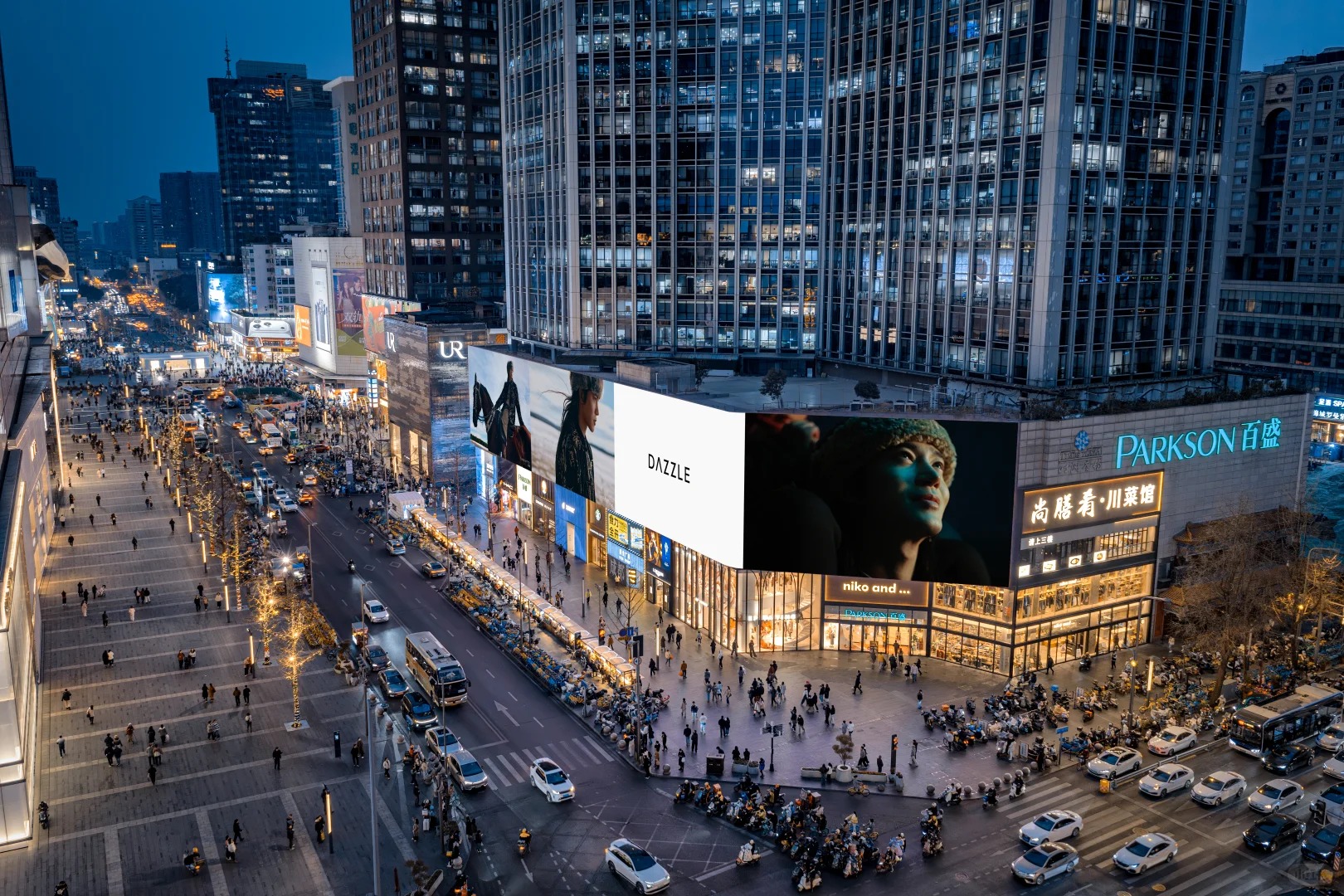
- Your guide greets you and transfers you to your 5-star hotel near Chunxi Road or Wuhou Shrine. After settling in, stroll Jinli Ancient Street and the Kuanzhai (Wide and Narrow) Alleys, where Qing-era courtyard lanes fill with red lanterns, snack carts and teahouses as dusk falls.
- Welcome dinner: A refined Sichuan banquet — kung pao chicken, tea-smoked duck, mapo tofu and hand-shaved noodles, with heat adjusted to your comfort.
- If the timing suits, add an evening Sichuan opera performance of face-changing (bianlian), fire-spitting and hand-puppetry.
Day 2 | Pandas at Dawn, Teahouses & Chengdu Hot Pot
- Meals: Breakfast, Lunch, Dinner
- Overnight: Chengdu, 5-star hotel
Early start; short private transfers within the city.
- Morning: Be at the Chengdu Research Base of Giant Panda Breeding when the gates open at 7:30 AM. The animals are most active before 10:00 — adults strip bamboo in the mist and cubs tussle on the lawns of the panda kindergarten. Your guide knows the quiet enclosures and the best times for the superstar residents. Spend the morning in this bamboo-forest park, with optional electric-cart rides between zones.
- Afternoon: After lunch, slow to real Chengdu tempo in People's Park. Take a bamboo chair under the trees at the historic Heming Teahouse for jasmine tea in a lidded bowl, watch mahjong games and open-air ear-cleaning, and simply let the city happen around you. Then visit Wuhou Shrine, a serene Three Kingdoms memorial of ancient cypresses and the famous vermilion wall, beside Jinli Street.
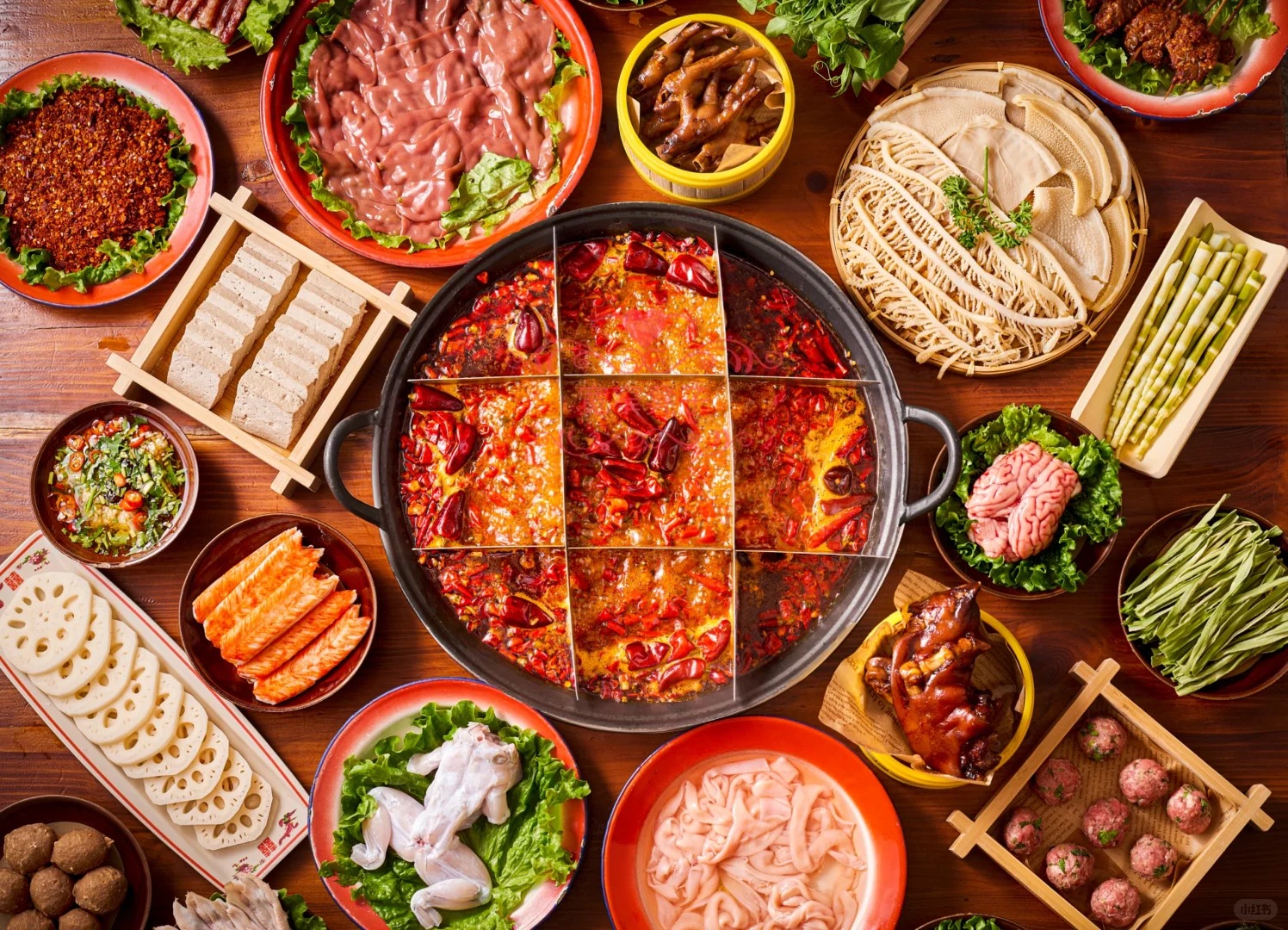
- Dinner: Graduate to Chengdu hot pot — choose a half-spicy, half-bone-broth "mandarin-duck" (yuanyang) pot if you are easing into the heat, and cook skewers of beef, lotus root and mushrooms at the table.
Day 3 | Bullet Train to Leshan — The Giant Buddha & Riverside Supper
- Meals: Breakfast, Lunch, Dinner
- Overnight: Leshan, riverside boutique hotel
Approx. 1-hour high-speed train Chengdu → Leshan; 20-minute transfer to the scenic area.
- Morning: Take a high-speed train south to Leshan, the relaxed river town at the meeting of the Minjiang, Dadu and Qingyi rivers.
- Lunch: A riverside lunch of Leshan's beloved qiaojiao ("skittle") beef — tender poached beef in herbal broth.
- Afternoon: Enter the Leshan Giant Buddha Scenic Area. Carved between 713 and 803 AD to calm the dangerous currents below, the 71-meter Maitreya Buddha is the tallest stone Buddha in the world. Experience it two ways: first from a short river cruise, the classic full-face angle that reveals its true scale (an 8-meter finger, shoulders broad enough for a bus); then on foot through Lingyun Temple and along the cliff path down toward the Buddha's feet. The narrow Nine-Turn Plank Road is periodically closed for maintenance; when it is, visitors descend to the feet via the Lingyun cliff walkway, and your guide adjusts the route on the day.
- Evening: Walk the old riverside town as the sun drops, then graze Zhanggongqiao Food Street: boboji cold skewers, sweet-skin duck, crispy fried dishes and tofu pudding. Stay overnight in Leshan rather than rushing back.
Day 4 | Leshan to Chongqing — Jiefangbei & the Glowing Stilt Houses
- Meals: Breakfast, Dinner
- Overnight: Chongqing, 5-star hotel, Jiefangbei area
Approx. 2–2.5-hour direct high-speed train Leshan → Chongqing (some services connect via Chengdu); private transfer to the hotel.
- Ride the railway through green Sichuan hills into Chongqing, the extraordinary "mountain city" stacked along the Yangtze and Jialing rivers, where one building's 8th floor is another street's ground level.
- Check in near Jiefangbei, the neon heart of downtown, then explore the surrounding warren of lanes and food streets.
- Dusk: Walk to Hongya Cave (Hongyadong), an 11-story complex of traditional stilt houses cantilevered over the cliff; viewed from the riverside bridge at night, its glowing tiers look like the spirit world from Spirited Away. Browse briefly inside, but enjoy the building from outside — the iconic view is the point.
- Dinner: Authentic Chongqing hot pot in a locals' restaurant: a potent, mala-numbing broth of pure beef tallow, dried chilis and Sichuan peppercorns — bolder and oilier than Chengdu's version. Your guide orders a gentler split pot and teaches you the classic dipping sauce of sesame oil and garlic.
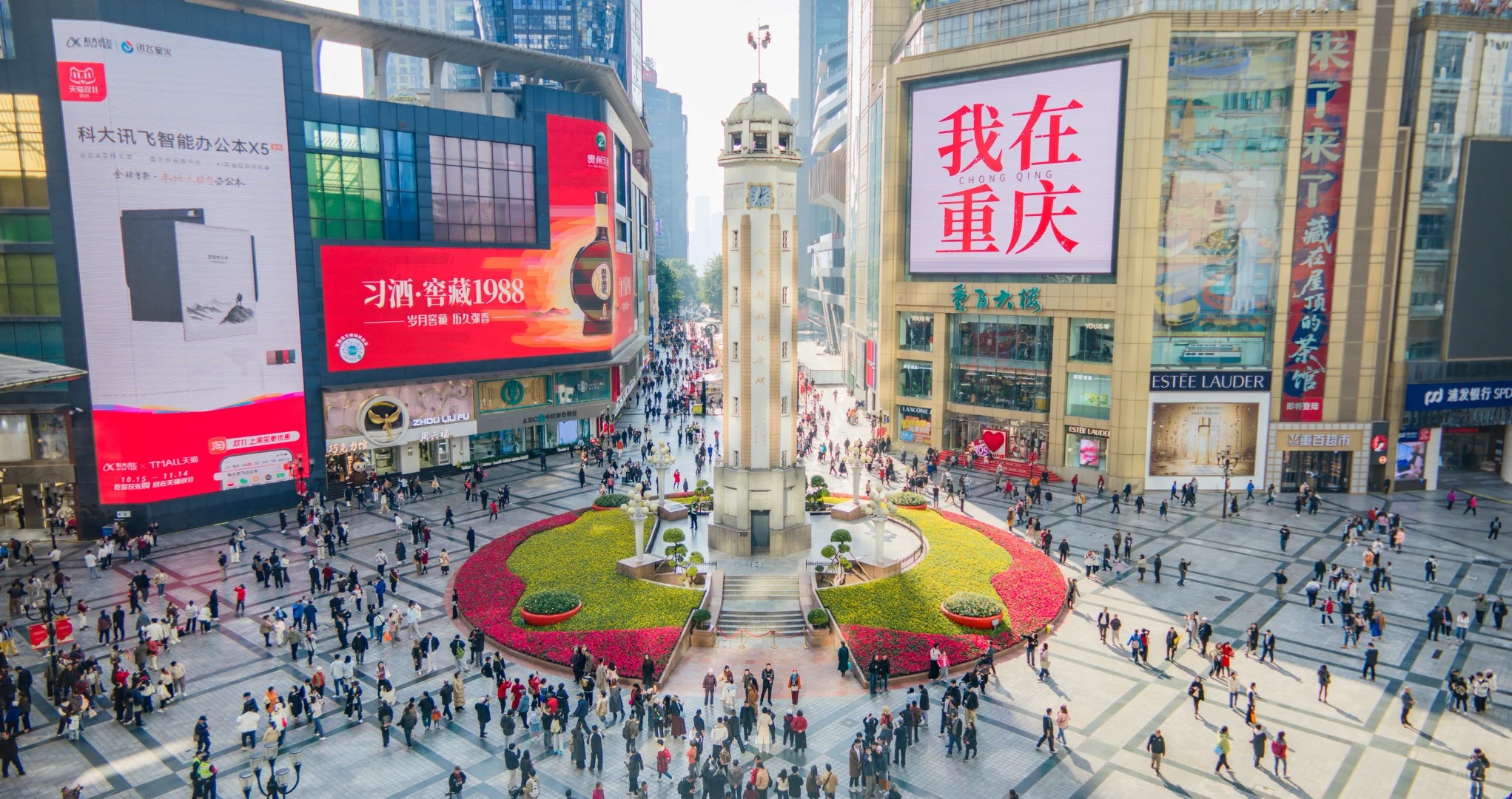
Day 5 | Dazu Rock Carvings & a Sunset Ride Across the Yangtze
- Meals: Breakfast, Lunch
- Overnight: Chongqing, 5-star hotel
Approx. 1.5-hour drive Chongqing → Dazu each way; full-day private excursion.
- Today's drive into the countryside reaches Baodingshan at Dazu, a UNESCO World Heritage Site (1999) and one of the masterpieces of Chinese religious art. Beginning in the Song dynasty, monks carved more than 50,000 painted figures into a horseshoe of sandstone cliffs — the monumental 31-meter Reclining Buddha, the dizzying Thousand-Armed Guanyin with its gilded thousand hands, and vivid tableaux teaching Buddhist lessons of karma, filial piety and everyday life. Unlike most northern grottoes, these carvings tell stories in a remarkably human, almost theatrical way, and your guide deciphers each scene.
- Lunch: A farm-style rural lunch near the site.
- Late afternoon: Return to Chongqing for a sunset ride on the Yangtze River Cableway, the city's beloved "air bus" gliding over the river with the skyline stacking up on both banks. Cap the evening with a walk along the riverside and a nightcap with a view.

Day 6 | Ciqikou Old Town, the Train Through a Building & Departure
- Meals: Breakfast
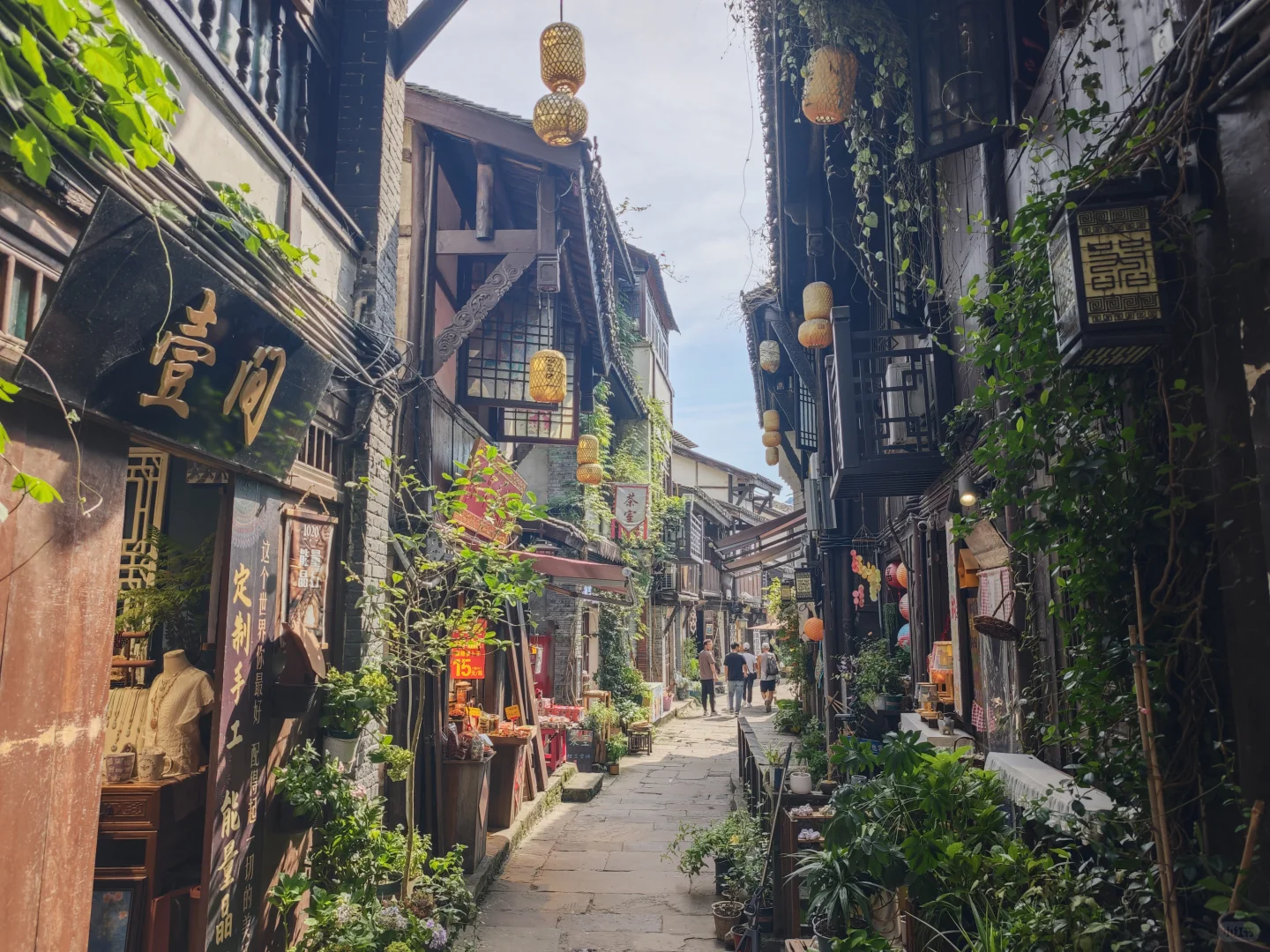
Morning city touring; approx. 45–60-minute transfer to Chongqing Jiangbei International Airport (CKG).
- Morning: Spend the morning at Ciqikou Ancient Town, a porcelain-trading port turned living old quarter of flagstone lanes, timber teahouses, artisan workshops and the scent of roasted spices — sample mahua fried-dough twists, spicy tofu pudding and fresh Chongqing xiaomian noodles.
- On the way, stop at Liziba Station to watch the surreal signature of Chongqing's Line 2: a full monorail train disappear through the middle of a 19-story apartment block (the viewing platform is purpose-built for photos).
- Time permitting, add the Three Gorges Museum for a rich, free introduction to the Yangtze, Ba culture and the dam. Closed Mondays.
- Afternoon: Transfer to Chongqing Jiangbei International Airport for your onward flight. We recommend a departure at 3:00 PM or later for a relaxed morning; the city also connects onward by high-speed rail and by Yangtze cruise.
From the first steamer basket in Chengdu to the last chili-laced night in Chongqing, this is China's most flavor-forward week — pandas and Buddhas, teahouses and cable cars, and two World Heritage Sites along the way.
What's Included
- Accommodation: 2 nights in a 5-star Chengdu hotel, 1 night in a top riverside/boutique hotel in Leshan, and 2 nights in a 5-star hotel in Chongqing's Jiefangbei area; daily breakfast included
- Intercity high-speed rail: Chengdu–Leshan and Leshan–Chongqing second-class tickets (business-class upgrades available), plus station assistance and private transfers at both ends
- All private transportation: Airport arrivals and departures, city touring, and the full-day Dazu excursion by air-conditioned private vehicle with experienced driver
- Dedicated English-speaking guide throughout, with food and heritage expertise
- Meals as listed (B/L/D): Sichuan welcome banquet, panda-day lunches and Chengdu hot pot, Leshan riverside meals and food-street grazing, Dazu farm lunch and Chongqing hot pot; drinking water included
- All entrance tickets and activities listed, including the Panda Base, Leshan Giant Buddha scenic area and river cruise, Dazu Rock Carvings (Baodingshan), and the Yangtze cableway
- Porterage, government taxes and service charges
- No shopping stops, ever
What to Know
- UNESCO sites on this route: Two are visited: Mount Emei Scenic Area, including the Leshan Giant Buddha (1996, mixed cultural and natural heritage), and the Dazu Rock Carvings (1999). Chengdu's city-center sights (Wuhou Shrine, Jinli, Kuanzhai Alley) and Chongqing's Hongya Cave are cultural attractions but not World Heritage Sites. Two powerful add-ons, each needing an extra day, are also UNESCO-listed: Mount Emei's Golden Summit and the Wulong Karst; ask us to build either in.
- Reservations & ID: The Panda Base and Leshan Giant Buddha require advance real-name, timed-entry booking; the Panda Base releases tickets up to 14 days ahead and has no on-site ticket windows — every visitor, including free-entry children, must be pre-booked. Foreign guests enter with their passport. Your guide handles all bookings well in advance.
- Leshan cliff path: The descent to the Buddha's feet is steep, narrow and crowded, with many uneven steps; the classic Nine-Turn Plank Road is subject to maintenance closures. The river cruise is the comfortable, unmissable full view and involves no climbing. Guests with limited mobility can enjoy the temple-level terraces and the cruise without descending.
- Museum closures: The Three Gorges Museum is closed Mondays (free entry, passport); on Mondays we substitute Eling Park or a Ciqikou teahouse session.
- Spice levels: Sichuan heat builds through the trip and Chongqing is genuinely fiery; the numbing sensation comes from Sichuan peppercorn, not chili. We always arrange half-mild yuanyang pots and can make every meal mild, non-spicy, vegetarian or vegan with notice. Skewers, rabbit head and cold raw-marinated dishes are optional adventures. Dedicated halal and kosher restaurants are limited outside Chengdu; tell us your needs in advance.
- Walking and terrain: Chengdu is flat and easy; Chongqing is relentlessly hilly and stair-heavy, and GPS often misjudges levels. Comfortable closed shoes are essential; we minimize stairs with vehicles, lifts and cable-car links, but expect some climbing. The cableway and major viewpoints draw long queues at peak times, and we time visits to beat them.
- Weather: Sichuan and Chongqing are humid year-round and can be foggy or rainy; summers (June–September) are hot, with pandas moved indoors in the afternoon heat — another reason for the early panda start. Bring light layers, rain gear and sunscreen.
- Connecting onward: Chongqing is the classic starting point for downstream Yangtze River cruises to Yichang, and links by air and high-speed rail across China — an easy lead-in to Xi'an, Guilin or Shanghai.