Beijing
Beijing Introduction
Beijing is the capital of the People’s Republic of China, and the nation’s political, cultural, international exchange and science & innovation center. It sits on the northern edge of the North China Plain, with the Yan Mountains and Taihang Mountains wrapping its north and west, opening toward the coastal plain to the southeast. Covering about 16,410 km², it has a temperate continental monsoon climate: four distinct seasons, hot and rainy summers, cold, dry and windy winters, crisp golden autumns (September–October) and mild springs (April–May), which are the most popular travel seasons. Time zone: UTC+8, no daylight saving time北京市人民....
With more than 3,000 years of urban history and over 850 years as an imperial capital, Beijing served as the capital for multiple dynasties, including the Liao, Jin, Yuan, Ming and Qing. It holds 8 UNESCO World Heritage Sites — more than any other city in the world: the Great Wall, the Palace Museum (Forbidden City), Temple of Heaven, Summer Palace, Ming Tombs, Zhoukoudian Peking Man Site, the Grand Canal, and the Central Axis of Beijing. This makes it an unrivaled destination for travelers eager to experience authentic Chinese imperial history and traditional architecture.
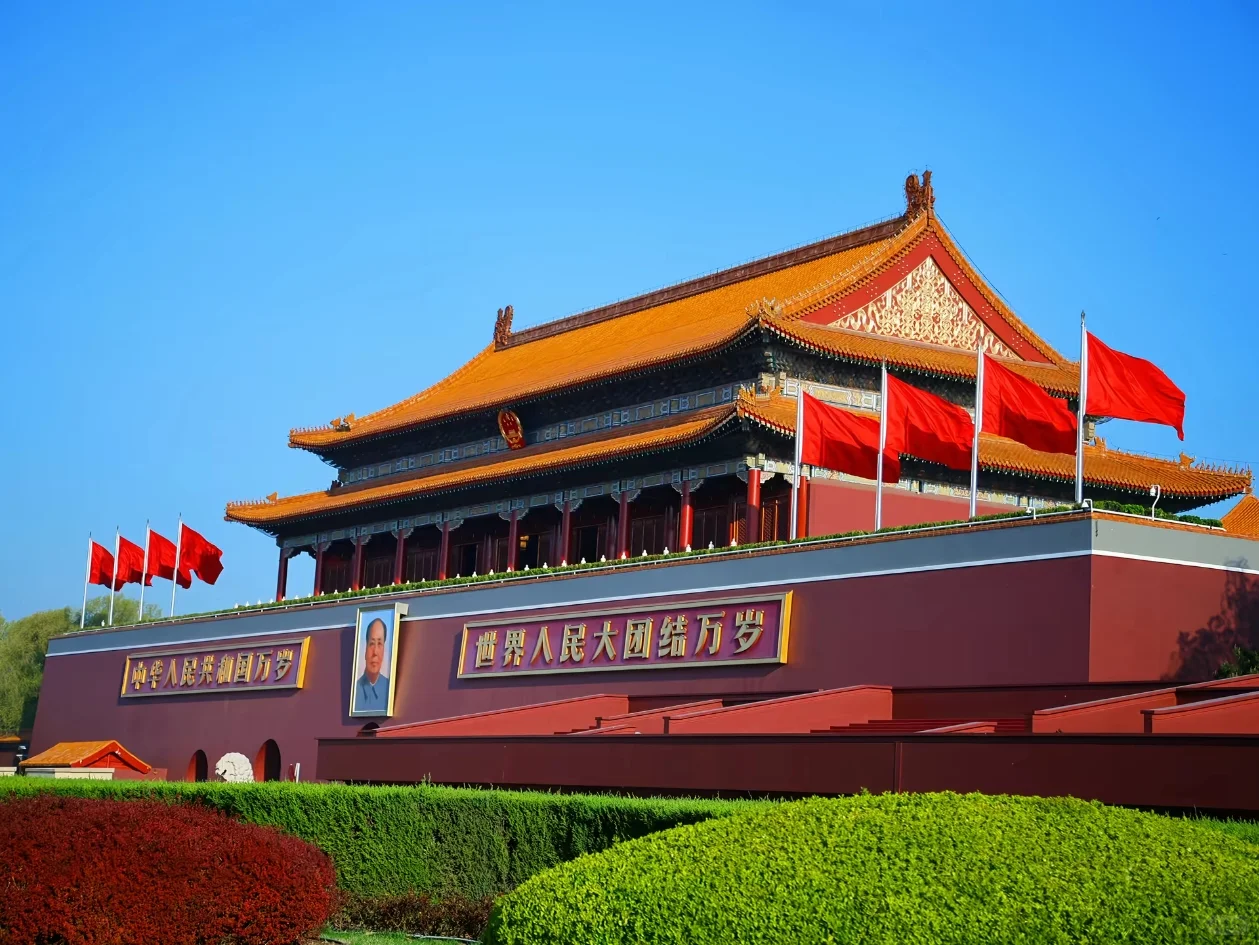
At the heart of the city lies the Central Axis, a 7.8-kilometer north-south spine that shaped Beijing’s symmetrical layout for centuries. Starting from Yongdingmen in the south, it runs through the Temple of Heaven, Qianmen, Tiananmen Square, the Forbidden City, Jingshan Park, Drum Tower and Bell Tower. This carefully planned imperial order is what gives Beijing its unique, stately urban rhythm.
Top heritage highlights
- The Palace Museum (Forbidden City): Built between 1406 and 1420 during the Ming Dynasty, it was the imperial palace for 24 emperors of the Ming and Qing. With nearly 980 buildings and over 1.8 million ancient art relics, it is the largest and best-preserved wooden imperial complex on Earth. Its red walls, golden glazed roofs, ceremonial courtyards and exquisite collections of porcelain, jade, paintings and ancient books tell the story of China’s last imperial agePromotiona....
- The Great Wall: The most iconic symbol of China. Sections near Beijing (Badaling, Mutianyu, Jinshanling, Simatai) were built and rebuilt mainly in the Ming Dynasty as a defensive frontier. Winding along mountain ridges, it offers dramatic mountain views at sunrise and sunset. Mutianyu is widely loved by foreign visitors for its well-preserved scenery, fewer crowds and cable car access.
- Temple of Heaven: A sacred altar built for Ming and Qing emperors to pray to heaven for good harvests. Famous for the Hall of Prayer for Good Harvests, its three-tiered blue-tiled roof is one of China’s most recognizable images. The acoustic Echo Wall and Circular Mound Altar show ancient Chinese astronomy, geometry and ritual philosophy.
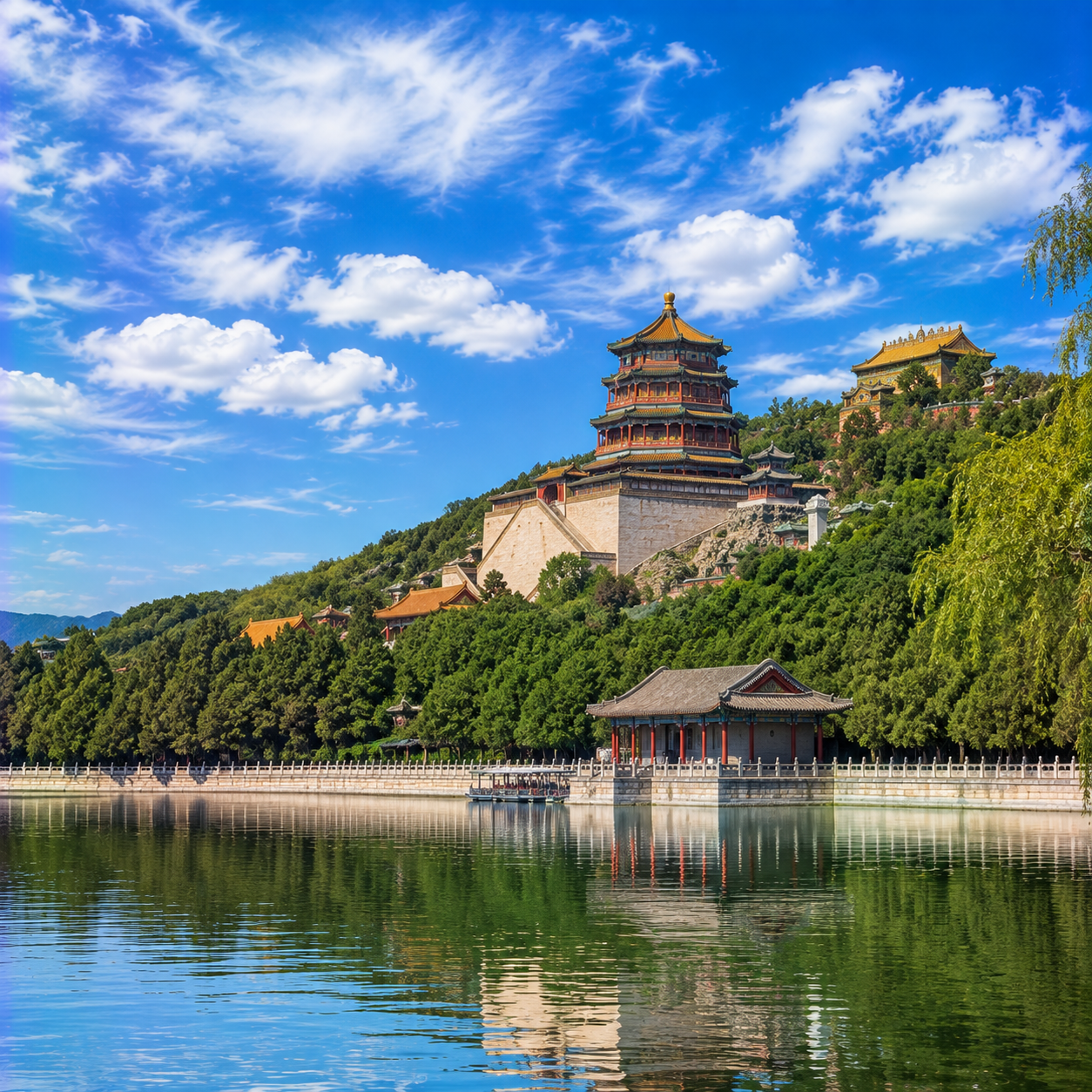
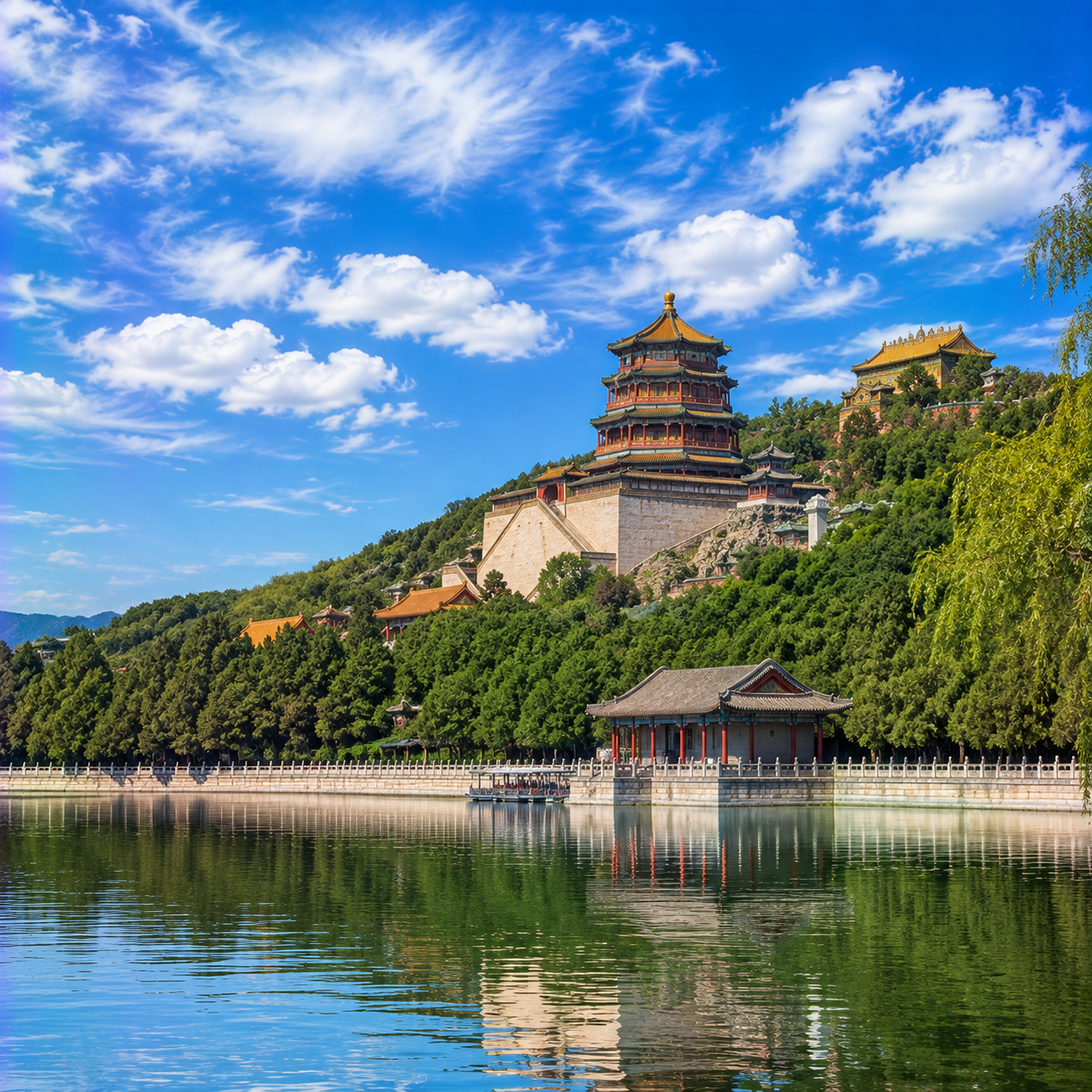
- Summer Palace: A masterpiece of Chinese classical garden design, a royal summer retreat for Qing emperors. Centered on Kunming Lake and Longevity Hill, it blends natural lakes and hills with pavilions, covered corridors, marble bridges and temples. The 728-meter Long Corridor is decorated with thousands of traditional paintings.
- Ming Tombs: The burial complex for 13 Ming emperors, set in a quiet valley guarded by mountains. The Sacred Way with stone animal and guardian statues is a highlight of ancient Chinese funerary art.
- Zhoukoudian: The archaeological site where fossils of Peking Man (Homo erectus pekinensis), dating back hundreds of thousands of years, were discovered, a key site for studying early human evolution in East Asia.
Local life & old Beijing culture
Beyond grand palaces, Beijing’s soul lives in its hutongs — narrow, winding alleyways lined with traditional courtyard homes (siheyuan). These low, gray-brick neighborhoods are where old Beijing daily life survives: residents walking birds, drinking tea, playing chess, chatting outside their gates. Many hutongs near Shichahai, Nanluoguxiang and the Drum Tower are great for slow walks or rickshaw tours.
Traditional arts you can experience here: Peking Opera, the stylized national opera with colorful masks, singing, acrobatics and martial arts; calligraphy, paper-cutting, cloisonné enamel, and Beijing’s folk handicrafts. Tea culture is deep: old teahouses host opera, storytelling and folk shows.
Food
Peking Roast Duck (Peking Duck) is the city’s signature dish: crispy, glistening skin served with thin pancakes, sweet bean sauce, cucumber and scallion. Other local classics include zhajiangmian (noodles with soybean paste), jiaozi (dumplings), lamb hot pot, tanghulu (candied hawthorn skewers), fried tripe, and donkey roll (lǘ dǎ gǔn). Qianmen, Wangfujing and Guijie are famous food streets.
Modern Beijing
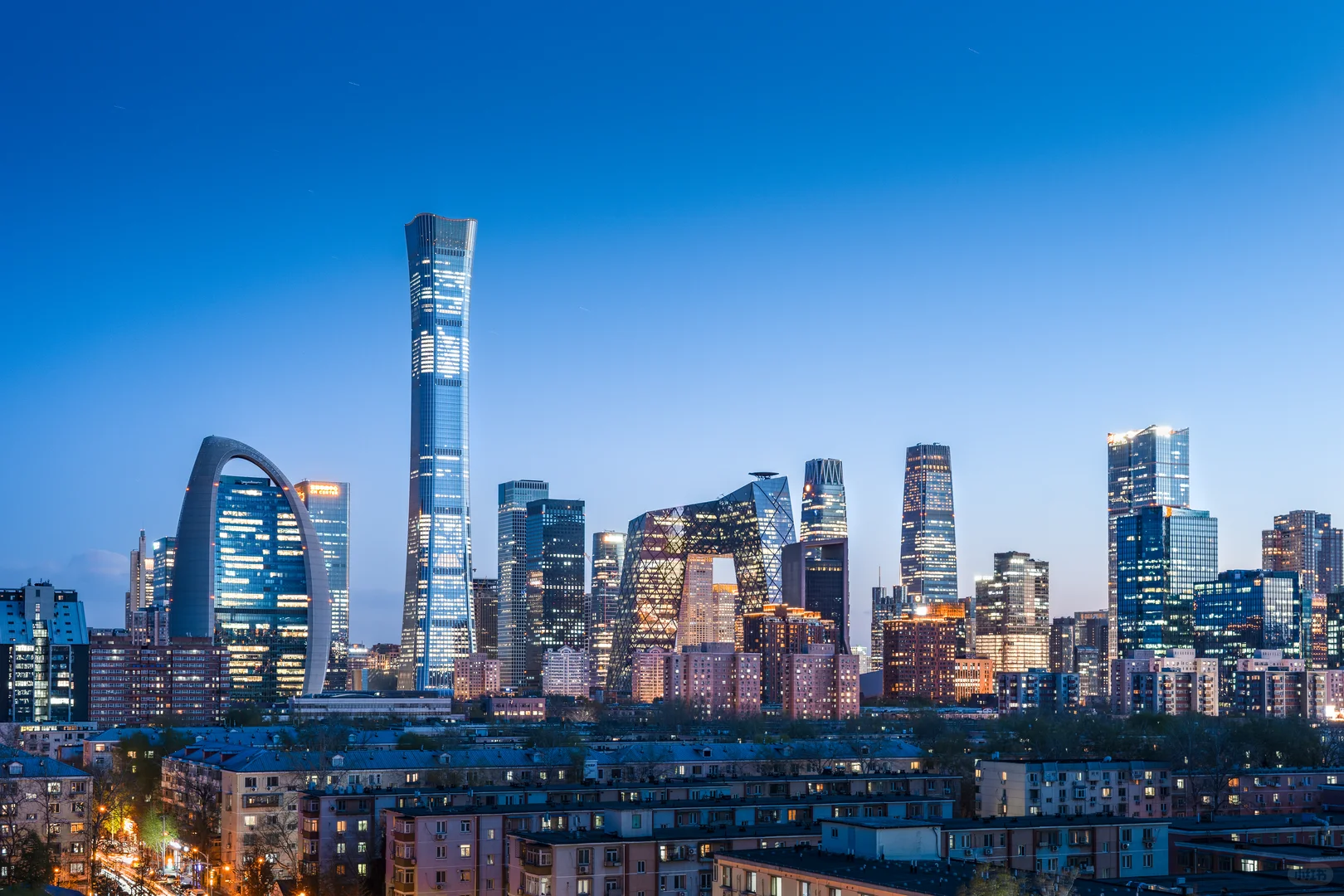
Beijing is not only a living museum. It is a dynamic global metropolis. The Olympic Park holds the Bird’s Nest National Stadium and Water Cube, built for the 2008 Summer Olympics. The CBD (Central Business District) features sleek skyscrapers, international restaurants, art galleries and shopping malls. World-class museums include the National Museum of China beside Tiananmen Square, one of the largest museums in the world, covering Chinese civilization from prehistory to modern times. The 798 Art Zone, a former factory district turned contemporary art hub, draws artists and visitors from all over the globe.
Practical tips for visitors
- Two major international airports: Beijing Capital Airport (PEK, northeast) and Beijing Daxing International Airport (PKX, south). A fast subway network connects nearly all major sights; taxis and ride-hailing are widely available.
- Major landmarks require advance online reservation.
- English signage is available at key tourist sites, hotels and subway stations; outside these areas, English is less common.
- Cash is less used; many foreign visitors can use international credit cards or the tourist travel wallet service.
- Local people are generally friendly. Mandarin is the official language; the local Beijing dialect has a distinctive “er” rolling accent.
Beijing is a city of beautiful contrast: you can walk an imperial wall at sunrise, wander quiet hutongs at noon, taste Peking duck for dinner, and watch modern city lights after dark. It is where ancient imperial grandeur and modern Chinese life meet, offering a direct window into China’s past and present.